
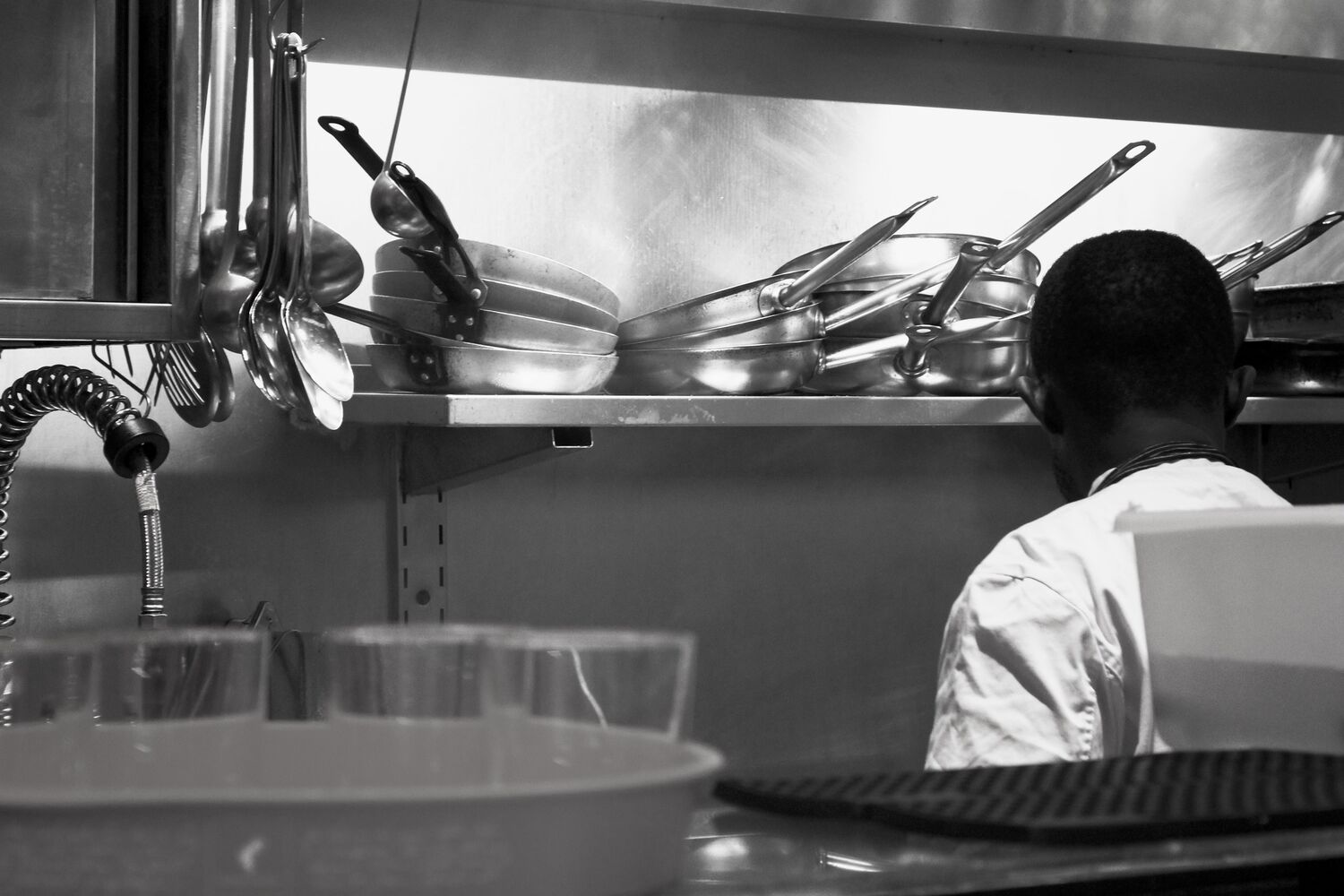
1. Why Off-the-Shelf Equipment Often Falls Short in Kenyan Hospitality Spaces
-
Wasted Square Footage and Hygiene Traps: Gaps of 10 to 20 centimeters between off-the-shelf tables, fryers, and walls become inaccessible traps for grease, food scraps, and cockroaches. Custom fabrication eliminates dead gaps with continuous worktops, integrated splashbacks, and sealed joints.
-
Mismatch with Kenyan Culinary Demands: Many local hospitality menus rely heavily on large-capacity sufurias, high-output nyama choma grills, charcoal-gas hybrid smokers, and continuous boiling stations. Standard imported residential-light or light-duty commercial burners often lack the structural reinforcement and BTU output required to support 50-liter cooking pots day after day.
-
Utility and Structural Misalignment: Existing drainage points, structural columns, low beams, and three-phase power or bulk LPG entry points rarely line up neatly with pre-built equipment. Bespoke equipment is engineered around your building’s actual architectural constraints rather than forcing expensive civil renovations.
2. Menu Engineering and Peak-Hour Throughput
Hot Line Configuration
Cold Storage and Prep Integration
Dishwashing and Pot-Wash Capacity
3. Workflow Ergonomics and Zoning (Preventing Cross-Contamination)
-
Receiving & Weighing
-
Dry, Chilled, and Frozen Storage
-
Raw Preparation (Separate zones for meat/poultry, seafood, and vegetables)
-
Thermal Cooking & Baking
-
Plating & Service Pass-Through
-
Dishwashing & Waste Disposal
Ergonomic Dimensions That Protect Staff Productivity
-
Working Counter Height: Standard ergonomic working height sits between 850mm and 900mm from the finished floor.
-
Aisle Widths: Maintain at least 1,100mm to 1,200mm between parallel equipment lines so two staff members can pass each other safely while carrying hot trays or opening oven doors.
-
Reach Zones: Overhead wall shelves and pot racks should be mounted between 1,450mm and 1,750mm high—high enough to clear head height during prep, yet low enough to reach without straining.
4. Material Specifications: Stainless Steel Grades, Gauges, and Finishes
| Specification Parameter | Recommended Commercial Standard | Why It Matters in Kenyan Kitchens |
| Steel Grade (Wet & Food Contact) | AISI 304 (18/8 Austenitic) | Contains 18% chromium and 8% nickel; resists acid corrosion from tomatoes/citrus, harsh detergents, and coastal salt air in Mombasa/Malindi. |
| Steel Grade (Dry Exterior Cladding) | AISI 304 or AISI 430 | Grade 430 is acceptable only for dry outer paneling and non-wet kickplates to optimize budget, never inside sink bowls or prep tops. |
| Sheet Thickness (Worktops & Sinks) | 16-Gauge (1.5mm) to 18-Gauge (1.2mm) | Prevents bowing, denting, and loud drumming when chopping meat or resting heavy pots. Avoid thin 20-gauge (0.9mm) tops. |
| Sheet Thickness (Panels & Doors) | 18-Gauge (1.2mm) to 20-Gauge (0.9mm) | Provides rigid structural doors and side enclosures without excessive dead weight. |
| Surface Finish | No. 4 Brushed / Satin Finish | Hides minor operational scratches, reduces glare under bright kitchen LEDs, and cleans easily compared to mirror finishes. |
| Internal Corners | Coved / Radiused Corners | Eliminates sharp 90-degree crevices inside sink bowls and cabinets where grease and bacteria accumulate. |
Weld Integrity and Edge Safety
5. Ventilation, Exhaust Hoods, and Heat Management
-
Canopy Overhang: The exhaust hood should overhang the cooking line by at least 150mm to 300mm on all open sides to capture rising thermal plumes before they spill into the room.
-
Baffle Grease Filters: Insist on removable stainless steel baffle filters rather than cheap mesh filters. Baffle filters trap grease efficiently, drain into a removable grease cup, act as a flame barrier against flash fires, and go straight into the dishwasher at night.
-
Make-Up Air Balance: Extracting thousands of cubic meters of air per hour requires replacing that air. Without a balanced fresh make-up air supply, negative air pressure builds up—causing gas burners to burn inefficiently with yellow, sooty flames and pulling hot outside air through dining room doors.
-
Acoustic Control: In open-kitchen restaurants or boutique hotels where guest bedrooms sit above the kitchen, specify centrifugal extract fans with acoustic silencers and vibration isolators so fan noise does not disturb guests
6. Energy Economics: Choosing Between Bulk LPG, Electricity, and Hybrid Systems
Bulk LPG vs. Cylinder Manifolds
Three-Phase Commercial Electric Power
7. Compliance with KEBS, County Public Health, and Fire Safety Regulations
-
Cleanable Floor Clearance: Equipment legs should elevate bottom shelves at least 150mm off the floor on adjustable stainless steel bullet feet, allowing staff to wash and sanitize underneath without blind spots.
-
Wall Upstands (Splashbacks): All wall-abutting prep tables, sinks, and cooking ranges should incorporate 100mm to 150mm integrated rear upstands sealed cleanly against tiled walls so water and food debris never drip behind equipment.
-
Fire Suppression Readiness: Deep fryers and charbroilers positioned beneath exhaust canopies should accommodate wet-chemical fire suppression nozzles, accessible isolation valves, and compliant Class K / Class F fire extinguishers.
-
Documentation: Reputable Kenyan fabricators provide material grade confirmations, layout drawings, and gas pressure test certificates that streamline regulatory sign-offs.
8. Evaluating Kenyan Fabricators: Questions to Ask Before Signing
-
In-House CAD & 3D Kitchen Design: Do they conduct an on-site laser measurement survey and produce 2D/3D CAD layouts showing MEP (Mechanical, Electrical, and Plumbing) rough-in points before cutting metal?
-
Workshop Visit & Quality Verification: Can you visit their fabrication workshop to inspect ongoing projects, verify 16-gauge AISI 304 steel sheets, and check weld finishing?
-
Live Testing Before Dispatch: Do they conduct live gas pressure, flame calibration, and refrigeration temperature pull-down tests at the factory prior to delivery?
-
Component Sourcing: What brands of burners, thermostats, gas safety valves, and refrigeration compressors do they build into their custom units? Locally stocked, internationally recognized components ensure fast repairs years down the line.
-
Realistic Lead Times: Full custom kitchen fabrication typically takes 3 to 6 weeks depending on project complexity. Ensure milestone delivery dates are written into your contract.
-
Warranty and After-Sales Maintenance SLAs: Commercial kitchens operate 365 days a year. Confirm that your supplier offers a clear warranty, stocks spare parts locally in Nairobi, and provides rapid technician dispatch across Kenya.
9. Budgeting and Total Cost of Ownership (TCO)
-
Allocate 35% to 45% of the kitchen equipment budget to the Hot Line & Exhaust Ventilation (ranges, ovens, fryers, grills, hoods, and ducting).
-
Allocate 25% to 30% to Commercial Refrigeration & Cold Rooms (undercounter chillers, upright freezers, blast chillers, and walk-in cold rooms).
-
Allocate 20% to 25% to Custom Stainless Steel Fabrication (worktables, sinks, storage shelving, service counters, and pass-throughs).
-
Reserve 5% to 10% for Installation, Commissioning, Gas Piping, and Staff Training.
Get Custom-Made Kitchen Equipment from Shine Kitchenware
Custom-made commercial kitchen equipment is an excellent investment for restaurants and hotels looking to maximise workspace, improve efficiency and meet their specific operational needs. From stainless steel worktables and kitchen sinks to storage cabinets, preparation stations and serving equipment, choosing the right fittings makes daily kitchen operations easier. Before placing an order, consider the available space, material quality, equipment design and your business requirements. Working with a supplier that understands commercial kitchen needs also helps you find practical solutions for your establishment. Visit shinekitchenware.co.ke to explore our range of commercial kitchen equipment, stainless steel fittings and fabricated solutions. Find suitable equipment for your hotel, restaurant or catering business and create a kitchen that works for you!
 No products in the cart.