
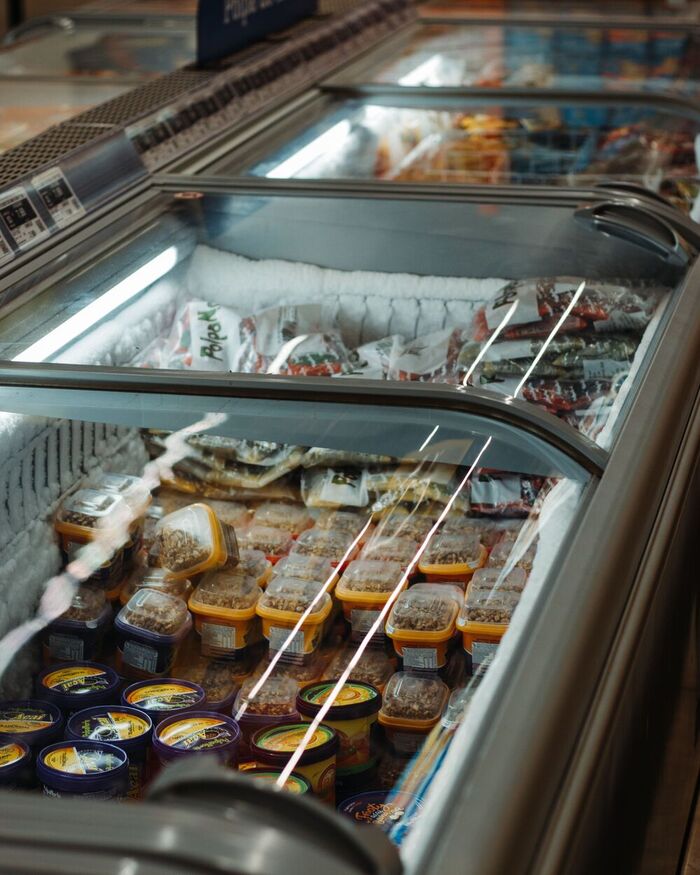
In a hotel or restaurant, refrigeration is the purchase you can least afford to get wrong. A faulty oven slows service. A failed fridge or freezer spoils stock worth thousands of shillings, risks food poisoning and can close you down after an inspection. Kenya’s heat, unstable power and busy kitchens make the job harder. Equipment has to run all day, cope with doors opening constantly and survive voltage swings, yet still hold food at safe temperatures.
Types of commercial refrigerators and freezers
Different jobs need different units. Most hotels and restaurants use a mix.
| Type | Best for | Watch for |
|---|---|---|
| Upright fridge or freezer | Daily storage of meat, dairy and vegetables in the kitchen | Door seals, shelf strength, compressor quality |
| Under-counter fridge | Cold storage at cooking or bar stations | Fit under your counter, ventilation space |
| Chest freezer | Bulk frozen stock, meat, fish and ice | Space for access, defrosting, lid seal |
| Display chiller | Cakes, drinks, salads and desserts in view of guests | Even temperature, glass type, lighting |
| Bar or beverage cooler | Sodas, beer and bottled drinks | Capacity, glass door, noise |
| Walk-in cold room or freezer room | Large stock for hotels, caterers and central kitchens | Insulation, floor, compressor size, door |
Stainless steel interiors and exteriors are easier to clean and last longer in busy kitchens than painted finishes. For hotels with banqueting or large catering, a cold room usually pays off, while a small restaurant may do better with two or three uprights plus an under-counter unit.
Separate raw and cooked foods, and separate meat, dairy and produce where you can. Dedicated units make food safety easier to manage and reduce cross-contamination.
How to size and specify what you need
Choosing the right size and specifications ensures your refrigeration equipment meets your storage needs, available space and daily business demands.
- Capacity. Estimate how much food you hold at your busiest, then add room for growth. An overpacked fridge cools poorly and works harder, while a half-empty giant wastes electricity. Air needs space to circulate between items.
- Temperature range. Fresh food is generally kept just above freezing, and frozen food well below it. Check the exact range the unit holds, and ask your public health office what temperatures they expect.
- Built for commercial use. Domestic fridges are not designed for constant door opening or hot kitchens. Look for a strong compressor, stainless steel construction, adjustable shelves, self-closing doors and a robust door seal.
- Climate suitability. Some equipment is rated for warmer ambient temperatures. Ask whether the unit performs properly in a hot Kenyan kitchen, since a fridge that struggles at 30 degrees will fail in a cramped kitchen.
- Power type and consumption. Confirm the voltage, whether it is single-phase or three-phase, and the running wattage so your electrician can size the supply.
- Cooling method and defrost. Fan-assisted (forced-air) cooling gives even temperatures and fast recovery after door openings, while static cooling is simpler. Automatic defrost saves labour, but check how easy it is to service.
- Controls and alarms. A clear digital thermostat, and ideally a temperature alarm, helps you catch problems before stock is lost.
Where to buy: specialist suppliers and cold room builders
For hotels and larger restaurants, the first stop is usually a specialist that sells, installs and services refrigeration. In Nairobi, several businesses appear in public listings:
- Thermoteq Ltd describes itself as a supplier and installer of refrigeration, air conditioning and commercial kitchen equipment across East Africa.
- New World Stainless Steel Ltd says it supplies cold and freezer rooms alongside stainless steel fabrication and ventilation.
- Kitchen Equipment Africa, Hotel & Catering Equipment Suppliers (HCES) and Kenya Catering Supplies are listed as full-service kitchen suppliers that cover equipment supply, installation and servicing.
- Gearnet Kenya is listed as a supplier of commercial kitchen equipment for hospitality and institutions.
These firms suit bigger jobs, such as a new hotel kitchen or a walk-in cold room, because one company can design, supply, install and maintain the system. Expect a site visit and a written quotation for cold rooms, since size, insulation thickness and compressor capacity must be matched to your use.
Their descriptions are self-reported, so treat the list as a starting point. Visit the premises, ask for installations you can see, and phone a customer before you commit.
Retail and online stores
For standard uprights, chest freezers, display chillers and under-counter units, retail and online stores are often quicker and easier. You see listed models, compare features, and arrange delivery without a long project process.
The benefit is speed: stock is often available immediately, and many stores deliver nationwide. The trade-off is less design help than a specialist offers, so you must do more of your own homework on size, power and installation.
When you buy this way, check the following:
- The model, capacity and power rating match what you ordered.
- Delivery and installation are included or clearly priced.
- The warranty is for commercial use, and the terms are in writing.
- The seller has a physical address and a way to reach after-sales support.
- Payment goes through a traceable channel such as M-Pesa, card or a bank, with a receipt.
Importing, second-hand and rental options
Importing. Large buyers sometimes import directly, for example when fitting out several kitchens or sourcing a specific brand. You gain choice and factory pricing, but you take on freight, duty, VAT, clearing and the risk of damage in transit. Warranty and spare parts become harder without a local agent. Check that the unit suits Kenyan voltage and frequency, and get a clearing agent’s estimate of the landed cost before paying anyone abroad. For most hotels and restaurants, buying through a local importer or supplier is simpler.
Second-hand. Used refrigeration can save money, especially for a start-up, but it carries real risk because compressor faults are hidden and repairs are expensive. If you consider it, see the unit running, check that it reaches and holds temperature, inspect the door seals and interior for rust, listen for unusual noise, and ask about age and why it is being sold. A short warranty from a refurbisher is worth far more than a cheap unit with none.
Rental. Some providers rent kitchen equipment for events, pop-ups and seasonal peaks. Rental suits temporary demand, such as a wedding or conference. Confirm who delivers, who fixes breakdowns and what happens if stock spoils.
Whichever route you choose, remember that the cheapest option is rarely the cheapest over five years.
Buying outside Nairobi
Hotels and restaurants in Mombasa, Kisumu, Nakuru, Eldoret and other towns can buy from local dealers or order from Nairobi suppliers that deliver nationwide. The deciding factor is service. A refrigerator that fails in a town far from your supplier can leave stock at risk for days.
Before ordering, ask where the nearest technician is based, how fast they respond, who carries spare parts such as thermostats, fan motors and seals, and who pays for transport and any damage in transit. For cold rooms, ask whether the installers will travel to your site and whether a maintenance contract is available.
Power, installation and backup for Kenyan conditions
- Protect compressors. Voltage spikes and outages are a leading cause of compressor failure. A voltage stabiliser or surge protector is a modest cost compared with a new compressor. Many suppliers recommend one for every large unit, so ask.
- Dedicated circuits. Large refrigerators, freezers and cold rooms should have their own correctly rated circuit and a proper earth. Have a qualified electrician check your wiring and supply before delivery, especially for three-phase equipment.
- Ventilation and placement. Refrigeration units release heat. Leave the clearance the maker specifies around the unit, and keep it away from cookers, direct sun and steamy dish areas. A fridge squeezed into a hot corner works harder and fails sooner.
- Backup power. For hotels and larger restaurants, a generator or inverter that can run the cold chain is cheap insurance. Know how long your units keep food cold with the doors shut, and keep doors closed during a cut.
- Professional installation. Cold rooms need correct insulation panels, sealed joints, drainage and pipework. Use installers with proven work, and ask for commissioning checks and a handover on how to operate and clean the system.
Vetting a supplier and asking about the warranty
Refrigeration lives or dies on after-sales support, so judge the supplier as carefully as the machine. Work through these checks:
- Visit the showroom and see units running, not just boxed stock.
- Ask for the brand, model, capacity, power rating and temperature range in writing.
- Get a written warranty. Ask how long it lasts, whether it covers the compressor, parts and labour, and whether it applies to commercial use.
- Ask who services the unit, how fast they respond to a breakdown and whether they offer maintenance contracts.
- Confirm spare parts availability for common faults such as thermostats, fans, seals and relays.
- Compare at least three quotations for the same specification.
- Ask for references from hotels or restaurants that bought similar equipment.
- Check what is included: delivery, installation, commissioning, stabiliser and training.
- Pay a reasonable deposit, keep the balance for delivery and testing, and keep every receipt.
Be wary of unusually low prices, vague model details, sellers without a physical address, and anyone who asks for full payment up front.
Cost drivers and running costs
The purchase price is only part of the story. Capacity, brand, compressor quality, stainless steel construction, number of doors, display glass and controls all push prices up or down. Cold rooms are priced by size, insulation thickness, compressor capacity and installation.
Running costs matter too. Refrigeration runs around the clock, so an efficient unit with a good seal can save significantly on electricity over its life. Ask for the power rating, compare units of similar size, and add the cost of a stabiliser, installation and a maintenance plan.
A fair comparison looks at total cost over several years: purchase price, electricity, servicing and the cost of downtime. A slightly dearer unit with a strong warranty and local servicing often costs less than a cheap one that keeps breaking down.
Maintenance and food safety routine
Good equipment still needs good habits.
- Check and record temperatures daily, with a thermometer inside each unit. A written log protects you during inspections.
- Keep doors shut and avoid leaving them open while loading or chatting.
- Do not overload. Leave gaps so cold air circulates.
- Clean regularly. Wipe interiors and seals, and clean condenser coils so the compressor can shed heat.
- Check door seals for cracks or gaps, and replace them early.
- Defrost freezers as needed, and clear drain lines.
- Rotate stock so older items are used first, and label with dates.
- Service on schedule, ideally under a maintenance contract.
Act quickly when a unit drifts out of range: move stock to a working unit, call your technician, and discard anything that has been unsafe for too long. Your staff should know this procedure before the first emergency.
Get Quality Commercial Refrigeration Equipment from Shine Kitchenware
Choosing the right commercial refrigerators and freezers is essential for hotels and restaurants that need reliable food storage and proper temperature control. The right refrigeration equipment helps preserve food freshness, minimise waste and maintain smooth kitchen operations. Before purchasing, consider storage capacity, energy efficiency, cooling performance and the available space in your kitchen. It is also important to choose equipment that matches your daily business demands and storage requirements. Visit shinekitchenware.co.ke to explore our range of commercial kitchen equipment and find suitable refrigeration solutions for your hotel, restaurant or catering business. Equip your kitchen with the right tools and make food storage easier and more efficient!
 No products in the cart.