
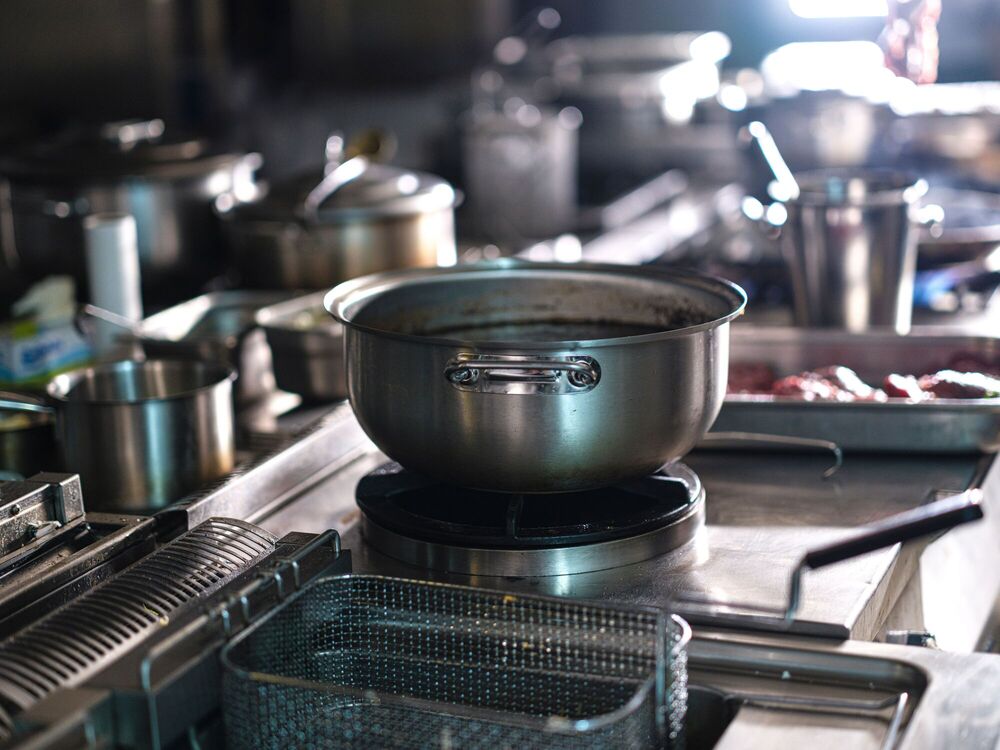
Walk into almost any busy hotel kitchen, restaurant or catering outfit in Kenya and you will find equipment made by local hands: a stainless steel work table, a multi-burner gas cooker, a heavy-duty sink, a charcoal grill. This is Jua Kali fabrication, and it is a backbone of the country’s food industry.
For hotel, restaurant and catering owners, fabricated equipment offers three things imported machines often cannot: a price that fits a real budget, a size that fits your actual kitchen, and repairs that do not require shipping parts across an ocean.
What Jua Kali fabrication is, and why caterers choose it
“Jua Kali” is the Swahili phrase for “hot sun”, and it describes Kenya’s informal sector of skilled metalworkers who build things by hand, often in open-air workshops. Over the years, many of these artisans have grown into serious fabrication businesses producing commercial kitchen equipment in stainless steel and mild steel.
Why do hospitality businesses keep coming back to them?
- Lower cost. Locally made equipment usually costs less than comparable imported units, with no import duty or freight.
- Made to measure. A fabricator can build a table to fit an awkward corner or a cooker with exactly the number of burners you need.
- Fast turnaround. Simple pieces can be ready in days rather than weeks.
- Easy repairs. Broken hinges, burners and legs can be fixed nearby, often by the same maker.
- Local knowledge. Fabricators understand Kenyan menus, such as large sufuria cooking, chips frying and nyama choma, and build equipment that suits them.
The trade-off is that quality varies. A good fabricator delivers equipment that lasts a decade. A careless one delivers something that rusts, leaks or warps within months. The rest of this guide helps you tell the difference.
Materials and build quality
Build quality decides whether a piece lasts. Check these points before you commit.
Stainless steel grade. Food-contact surfaces such as table tops, sinks and counters should be stainless steel, with grade 304 the usual standard for kitchens. Cheaper grades such as 201 can stain and rust faster, especially around salt, acids and constant moisture. Ask the fabricator which grade they use. A simple magnet test gives a hint, though it is not conclusive, so rely on the fabricator’s word and your own checks together.
Thickness (gauge). Thin sheet dents and flexes under heavy pots. For work tables, sinks and cooker bodies, ask for the sheet thickness and compare quotes on the same figure.
Welds and finish. Run your hand along the joints. Good welds are continuous, smooth and ground flat. Rough, pitted or gappy welds trap food and are hard to clean. Edges should be rounded or folded, not sharp.
Frame and legs. Look for sturdy square-tube or reinforced legs with adjustable feet so the equipment sits level on uneven floors.
Mild steel versus stainless. Mild steel is cheaper and fine for some items, such as frames, charcoal grills and cooker bodies that are painted or coated, but it rusts. Use stainless wherever food touches the surface or water is constant.
Cooking equipment worth fabricating locally
Cooking is where Jua Kali work shines, because Kenyan kitchens cook in large volumes and in ways imported equipment is not always designed for.
Gas cookers and burners. Two-, three-, four- and larger multi-burner cookers, with single, double or triple ring burners, handle sufuria cooking for staff canteens, school kitchens and caterers. Cast iron burners give strong, even heat. Choose a stainless steel body, a sturdy pot rest and a design that lets you reach the gas valves safely.
Combine units. A combine cooker joins several burners, a hot plate, a fryer and sometimes an oven in one stainless steel station. For restaurants and hotels, it saves floor space and puts the main cooking line in one place. It is a bigger investment, so measure your kitchen and plan your menu before ordering.
Deep fryers. Gas and electric chips fryers, single or double, are a staple for restaurants and takeaways. Check the tank thickness, the quality of the thermostat or burner, and how easily you can drain and clean the oil.
Hot plates, griddles and tandoori ovens. Built for chapati, mandazi and flat-top cooking, these let you widen your menu without importing equipment.
Charcoal grills and jikos. Stainless steel and mild steel grills for nyama choma remain popular for restaurants and outdoor catering. Look for good airflow, removable grates and legs that keep the grill stable.
For every gas appliance, insist on proper regulators, hoses and fittings, and have a competent technician test the connection.
Preparation and wash-up equipment
These are the pieces your staff touch all day, so they deserve the most attention to hygiene and durability.
- Stainless steel work tables in single-shelf or double-shelf designs. Choose a top with raised edges for wet work, and a lower shelf for trays and pots. Portable tables on wheels help in catering and event kitchens.
- Sinks. Single, double, triple and multi-bowl sinks, with or without a drainer board, suit washing vegetables, pots and crockery. Three compartments make washing, rinsing and sanitising possible in a clean sequence.
- Sluice and washing sinks for heavy-duty cleaning of large pots and trays.
- Shelving and racks. Wall-mounted shelves, open racks and wire shelving keep stock off the floor and make cleaning easier.
- Trolleys and carts. Stainless trolleys move food, plates and trays between kitchen, store and service area.
- Storage cabinets. Closed cabinets protect utensils and dry goods from dust and pests.
- Packaging and serving tables where food is portioned and packed for delivery or events.
Ask for the sink depth and bowl size, because a sink that cannot fit your largest sufuria is of little use. Also ask for a fitted waste outlet and tap holes where you need them, and confirm the plumbing connection before delivery.
Serving, warming and ventilation
Food has to reach the customer hot, safe and attractive. Fabricators also build much of the equipment for that stage.
Hot food displays and warmers. Heated counters, bain-maries and food warmers keep cooked dishes at a safe serving temperature at buffets, canteens and hotel breakfast lines. Check that the heat is even, the pans fit, and the water tray or element is easy to reach and clean.
Tea and porridge urns. Large stainless steel urns suit schools, hospitals, conferences and catering for crowds. Look for a sturdy tap, secure lid and well-insulated body.
Serving counters and buffet stations. Stainless counters can be designed with cut-outs for pans, shelves for plates and space for sneeze guards.
Extraction hoods and ventilation. A properly designed stainless steel hood with grease filters and a duct to the outside removes smoke, steam and heat. It makes a kitchen safer and more comfortable, and inspectors and insurers pay attention to it. Hood size should match the cooking line beneath it, and the fan should be able to move enough air. Fabricators can build the hood, but ask who sizes the extraction and installs the ducting.
Good ventilation is also an investment in staff. Cooks working in smoky, overheated kitchens tire quickly and make mistakes.
Custom fabrication: how to brief a fundi
The biggest advantage of Jua Kali is made-to-order work, but a vague brief gives vague results. Prepare before you visit.
- Measure the space. Note wall lengths, door widths, ceiling height, window positions and the location of gas, water, drains and power points.
- Draw a simple sketch. It does not need to be professional. A labelled drawing with dimensions beats a verbal description every time.
- List what goes on or in each piece. The biggest pot, the number of burners, the trays, the tap position and the shelf heights all affect the design.
- Agree the specification in writing. Material and grade, sheet thickness, dimensions, finish, number of items and delivery date.
- Ask for a sample or a photo of past work. Better, visit a kitchen that uses their equipment.
- Plan for delivery and fitting. Confirm that the finished piece can pass through your doors and that someone will place and level it.
A written quotation with a deposit schedule, and a delivery date you both sign, protects both sides.
Safety and compliance
Fabricated equipment must be safe as well as strong, especially in hotels and restaurants where guests and staff are at risk if something goes wrong.
Gas safety. Use quality regulators, hoses and clamps, and have connections tested for leaks. Keep cylinders outside or in a ventilated space, away from heat. Check that burners light reliably and flames burn evenly and blue, not yellow and sooty.
Electrical safety. For electric fryers and warmers, check the wiring, plug, earthing and cable thickness. Wiring should be neat, insulated and protected from water and heat. Have an electrician confirm that your supply can handle the load.
Hygiene. Smooth stainless surfaces, rounded corners and no hidden crevices make cleaning easy and help you pass public health inspections. Avoid unsealed wood and rough joints near food.
Fire safety. Keep hoods and filters clean, store flammables away from flames, and fit extinguishers within reach of the cooking line.
Even where a piece is locally made, you are still responsible for the safety of your premises. Ask your county public health office and insurer what they expect, and keep records of installation and servicing.
How to vet a fabricator or supplier
Before you pay a deposit, run through this checklist:
- Have you visited the workshop or showroom and seen finished work?
- Have you spoken to at least one customer, ideally a hotel or restaurant, who bought similar equipment?
- Do you have a written quotation with steel grade, thickness, dimensions, quantity and delivery date?
- Is the deposit reasonable, with the balance due on delivery and inspection?
- Is there a written warranty or at least a clear promise on repairs and workmanship?
- Does the maker or supplier fit and test gas connections, or recommend someone who does?
- Are spare parts such as burners, hinges and taps easy to find?
- Have you inspected welds, edges and finish before accepting delivery?
- Do you have receipts and contact details for every payment?
Be careful with anyone who refuses to put details in writing, pushes for full payment up front, or cannot name the steel grade they use.
Buy Jua Kali kitchen equipment from Shine Kitchenware
Jua Kali fabrication gives Kenyan hotels, restaurants and caterers equipment that is affordable, made to measure and easy to repair. The best results come from good materials, strong welds, safe gas and electrical work, and a supplier you can reach after the sale.
Shine Kitchenware makes that easier. Its Nairobi store, along Ladhies Road, has a dedicated Juakali Fabrications category, alongside stainless steel working tables, sinks, gas burners, electric and gas fryers, combine cookers, charcoal grills, food display equipment and storage cabinets. Visit shinekitchenware.co.ke to compare options and equip your kitchen with confidence.
 No products in the cart.