
Meat is one of the most popular foods in Kenya, and a well-run butchery can be a steady, profitable business. But a modern butchery is more than a counter and a knife. Customers now expect clean premises, cold, fresh cuts, neat packaging and accurate weights. Regulators expect safe handling and proper hygiene.
Your tools decide how quickly you can cut, how little meat you waste, how long your stock stays fresh and how professional the shop looks. A poor choice, such as a weak fridge or a blunt knife, costs you money every day.
Plan before you buy
Before purchasing equipment, plan your butchery carefully to ensure you choose the right tools, maximise space and meet hygiene requirements.
- Decide what you will sell: Determine whether your butchery will handle beef, goat, mutton, pork or chicken, as each type of meat may require different handling and storage arrangements. Pork should be stored and handled separately from other meats to maintain hygiene.
- Estimate your daily sales volume: Consider how much meat you expect to sell each day. This will help you choose the appropriate sizes of cold rooms, meat grinders, display refrigerators and other equipment.
- Plan your butchery layout: Arrange the workspace to allow meat to move smoothly from receiving and cold storage to cutting, packaging and display. Keep raw and ready-to-eat products separate.
- Allocate space for hygiene: Include a hand-washing sink, cleaning area, waste storage section and sufficient working space to maintain proper sanitation.
- Understand licensing requirements: Before purchasing equipment, check the applicable county business permits, public health requirements and food-handler medical certification requirements.
- Source meat from approved suppliers: Ensure your meat comes from licensed slaughterhouses and carries the required meat inspection stamps.
- Choose easy-to-clean surfaces: Plan for stainless steel worktops, washable floors and suitable wall finishes to support cleanliness and simplify daily cleaning.
- Prepare for health inspections: Ensure your premises meet the applicable public health and food safety standards before opening your butchery.
Knives, cleavers and saws
Good hand tools are the foundation of the trade. Buy quality, because a sharp, well-balanced knife is safer and faster than a blunt one.
- Boning knives for removing bones cleanly with little waste.
- Breaking and butcher knives for larger cuts and trimming.
- Cleavers for chopping through bone and joints. Heavy ones suit beef and goat.
- Skinning and slicing knives for fat removal and thin cuts.
- Hand saws for bone work where a machine is not practical.
- Sharpening steel and whetstone to keep edges true throughout the day.
Handles matter as much as blades. Choose non-slip, easy-to-clean handles, and consider colour-coded knives to separate raw meat types or tasks, which helps prevent cross-contamination.
Store knives in a rack or a magnetic holder, never loose in a drawer or on a wet surface. Train staff to cut away from the body, wear cut-resistant gloves where needed, and never leave a knife in a sink. Sharpen daily and replace blades that chip or bend.
Cutting and processing machines
Machines make a butchery faster, more consistent and more modern. You do not need all of them on day one, but know what each does.
- Bone saw (band saw). An electric band saw cuts through bone quickly and cleanly, giving uniform chops, steaks and ribs. It is one of the most valuable machines for a shop selling bone-in cuts. It is also the most dangerous, so choose one with blade guards and train staff properly.
- Meat mincer. A grinder turns trimmings and cuts into mince. Choose a size that matches your volume, with plates of different hole sizes for coarse or fine mince. Stainless steel parts should come apart for easy cleaning.
- Meat slicer. Useful for thin, even slices of cooked or cured meats and for boneless cuts. Look for a sharp blade, a safety guard and parts that are easy to remove and wash.
- Sausage stuffer. If you make your own sausages, a stuffer fills casings neatly and saves hours of hand work. It lets you add value and use up trimmings.
- Meat tenderiser and mixer. A tenderiser softens tougher cuts, while a mixer blends seasoning and marinades evenly through mince or cuts. Both support ready-to-cook products.
- Vacuum packer. A vacuum sealer extends shelf life and keeps meat looking fresh. It is covered in the packaging section below.
When buying any machine, check motor power, whether it runs on single-phase or three-phase supply, how easy it is to dismantle for cleaning, and whether spare blades and parts are available locally.
Cold storage: protecting the product
Refrigeration is the single most important investment in a butchery. Fresh meat spoils quickly in warm conditions, and one failed fridge can wipe out a week’s profit.
- Cold room. For any shop buying carcasses or large quantities, a walk-in cold room lets you hang and store meat at a steady low temperature. Size it for your peak stock plus some spare, and make sure it has proper insulation, a reliable compressor and a door that seals well.
- Display chiller. A glass-fronted chiller shows your cuts to customers while keeping them cold. Choose one with good lighting and an even temperature, and keep it away from direct sun and open doors. Display meat looks best under clean glass with neat arrangement.
- Deep freezers. Chest or upright freezers hold meat you will not sell quickly, such as bulk purchases or stock for the following week. Do not let freezers become dumping grounds; label and rotate everything.
- Thermometers. Place one in every cold unit, and check and record temperatures daily. Fresh meat is usually kept just above freezing and frozen meat well below it. Ask your supplier or public health office for the exact figures that apply to you.
Because refrigeration runs all day, look at energy efficiency, and plan for power cuts with a generator, inverter or at least a stabiliser to protect compressors.
Work tables, chopping blocks, hooks and racks
Where you cut matters as much as what you cut with.
- Stainless steel work tables. Smooth, non-porous stainless steel is easy to wash and sanitise, which is why it is the standard for butcheries. Choose thick tops with raised edges to stop juices running off, sturdy legs and an adjustable shelf below for trays.
- Chopping blocks and boards. Traditional wooden blocks are still used for heavy chopping, but they need regular cleaning and care. Many shops now prefer high-density food-grade plastic boards, which are easier to sanitise. Use separate boards for raw meat and cooked products, ideally colour-coded.
- Meat hooks and hanging rails. Overhead rails and strong stainless hooks allow carcasses and large cuts to hang safely and keep air moving around them. Make sure rails are fixed securely and rated for the weight.
- Trays, bins and trolleys. Stainless trays hold cuts as they move from cutting to display. Lidded, food-grade bins hold trimmings and bones, and a trolley saves heavy lifting.
Look for rust-resistant materials throughout, and avoid designs with crevices where blood and fat can collect.
Weighing, pricing and point of sale
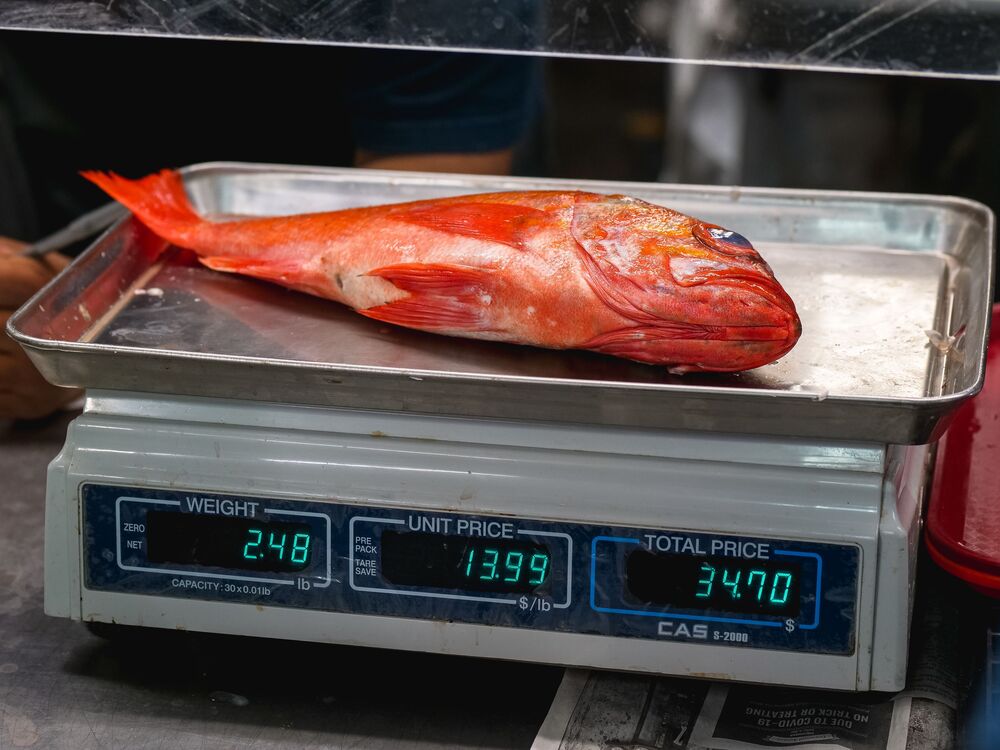
Meat is sold by weight, so accurate scales protect both you and your customer. A digital scale with a clear display, a tare function and easy-to-clean surfaces is essential. In Kenya, scales used for trade should be verified by the Weights and Measures authority, and customers notice and trust a shop that weighs fairly.
A price-computing scale shows weight, price per kilogram and total price together, which speeds up service and cuts mistakes. For bigger shops, scales that print labels with weight, price and date are even better.
Add a cash register or point-of-sale system that records sales, prints receipts and works with M-Pesa and cards. It helps you track what sells best, spot waste and manage stock. Even a simple setup beats paper notes, and it makes reconciling the day’s takings far easier.
Hygiene: sinks, sterilisers and protective wear
A clean butchery earns trust and passes inspections. Plan for hygiene tools from the start.
- Hand-washing sink with hot and cold water, soap and paper towels, positioned where staff can reach it easily.
- Wash-up sink for tools, trays and boards, ideally a stainless steel double or triple sink.
- Knife steriliser or a sanitising routine that keeps blades clean between tasks.
- Protective clothing: clean aprons, hair nets or caps, gumboots with a good grip, and gloves. Cut-resistant gloves add safety when boning or slicing.
- Cleaning supplies: food-safe detergent, sanitiser, brushes, squeegees and a hose for floors.
- Drainage and washable floors and walls. Tiles or sealed surfaces make daily cleaning easier.
Build a daily cleaning routine and a written checklist. Clean as you go, sanitise tables and tools between jobs, and wash everything thoroughly at close. Keep waste in covered bins and remove it often, because bones and trimmings attract flies and smell quickly in warm weather.
Packaging, labelling and value-added tools
Packaging is where a traditional butchery starts to look modern. A vacuum packer removes air, slows spoilage and keeps cuts fresh for pre-packed sales, supermarket supply and customers who shop weekly. Food-grade trays, cling film and bags make grab-and-go packs attractive and hygienic.
Add a label printer or labels that show the cut, weight, price, packing date and expiry date. Clear labels also help with traceability if a customer ever raises a concern.
Once the core shop is running, consider value-added tools that lift your margins:
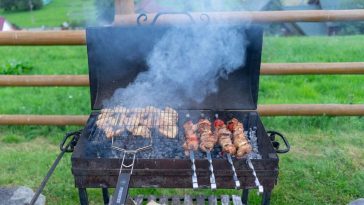
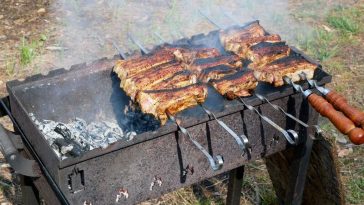
- Charcoal or gas grills for selling nyama choma on site.
- Marinating tubs and seasoning for ready-to-cook packs.
- Smoking or drying equipment for specialty products, if you have the skills and the licence.
These extras are not essential at launch, but a butchery that sells ready-to-cook and ready-to-eat items often earns more per kilogram than one that sells only raw cuts.
Running it in Kenya: power, water, waste and maintenance
Power. Refrigeration and machines depend on steady electricity. Confirm whether each machine needs single-phase or three-phase supply, protect compressors with stabilisers, and plan a generator or inverter for cold storage so a blackout does not spoil your stock.
Water. A butchery uses a lot of clean water for washing. Make sure you have a reliable supply, plus a storage tank if your area has rationing.
Waste. Bones, blood and trimmings need hygienic disposal. Arrange regular collection, use covered bins, and ensure your drainage does not block or leave standing water.
Maintenance. Service refrigeration regularly, clean condenser coils, check door seals and keep blades sharp. Record temperatures and servicing dates. A small maintenance habit prevents the big failures that cost a day’s sales.
Support. Buy from a supplier who stocks spare parts and can send a technician. The cheapest equipment is not cheap if it sits broken for weeks.
What to buy first
You can open lean and add equipment as sales grow.
| Stage | Buy |
|---|---|
| Launch | Knives, cleavers and sharpener, stainless work table, chopping board, cold room or display chiller, scale, hand-wash and wash-up sinks, protective wear |
| Growth | Band saw, mincer, deep freezer, hooks and rails, vacuum packer, price-computing scale, point-of-sale system |
| Scale | Slicer, sausage stuffer, tenderiser, mixer, label printer, grills for nyama choma, backup generator |
set up your butchery with Shine Kitchenware
A modern butchery stands on sharp tools, dependable refrigeration, clean surfaces, accurate scales and good packaging. Start with the essentials, add machines as your sales grow, and choose a supplier who supports you after the sale. When you are ready to buy, visit shinekitchenware.co.ke. The Nairobi store, along Ladhies Road, has a dedicated Butchery Equipment category. It also lists the items a butchery relies on every day: stainless steel working tables, sinks, refrigeration units, food display equipment, charcoal grills and storage cabinets. Browse the range at shinekitchenware.co.ke, compare your options, and open a butchery your customers can trust.
 No products in the cart.