
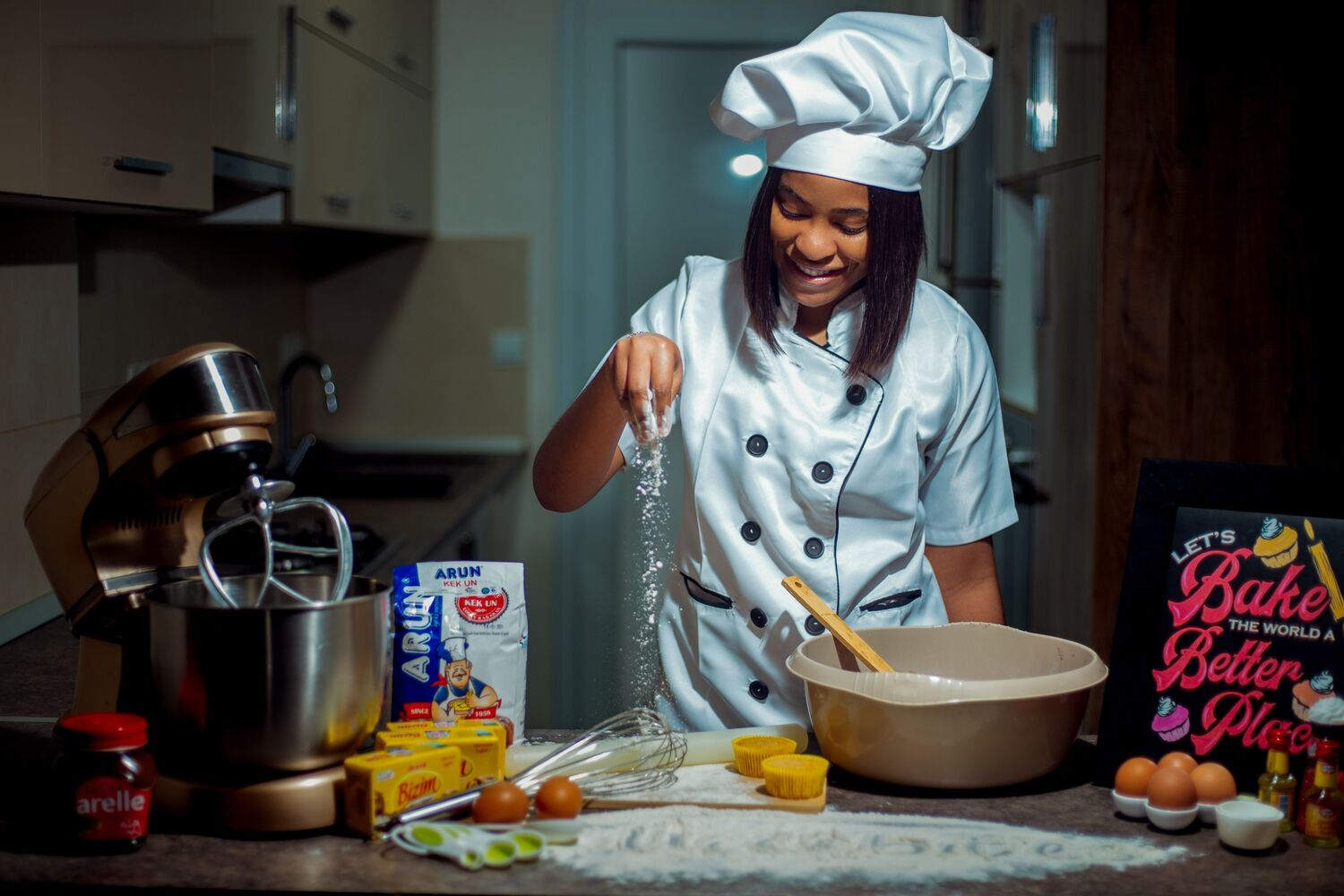
Kenyans buy bread, mandazi, cakes, buns and biscuits every day, which is why bakeries remain one of the most reliable small food businesses in the country. But demand alone does not make a bakery profitable. The equipment you choose decides how much you can produce, how consistent your products taste, how much you spend on power and gas, and how often you lose a day of sales to a breakdown.
A home baker making twenty cakes a week and a commercial bakery supplying shops and supermarkets need very different setups. Yet both face the same questions: which machines do you really need now, which can wait, and which are a waste of money?
Plan before you buy
Start with your product list, because every machine should earn its place on it. A bread bakery needs mixers, dividers, proofers and a strong oven. A cake and pastry shop leans on planetary mixers, tins and display chillers. A mandazi or doughnut business needs fryers rather than ovens.
Then work out these four things:
- Daily volume. How many loaves, cakes or trays do you aim to make at peak? Size your oven and mixer for the busy season, not the quietest week.
- Space. Measure your room, doors and ceiling. A rotary oven or a deck oven with several decks needs room to load, plus space around it for heat and cleaning.
- Energy. Choose gas, electricity or a mix, based on what your premises can safely support and what you can afford to run.
- Growth. Buy the core equipment at the right size now, and leave space and power capacity for a second oven or mixer later.
Finally, set a budget that includes delivery, installation, gas fittings, extraction and a small reserve for the things you forgot.
Ovens: the heart of the bakery
Your oven is the biggest purchase you will make, so choose it with care. Three types cover most Kenyan bakeries.
Deck ovens have one or more flat baking chambers (decks) with stone or steel floors. They give strong bottom heat, which suits bread, pizza, scones and many cakes. Each deck is controlled separately, so you can bake different products at once. They are a popular choice for small and mid-size bakeries.
Convection ovens blow hot air around the chamber, baking evenly and quickly. They suit biscuits, cookies, pastries, cupcakes and multiple trays at once. Many bakeries use a convection oven for cakes and a deck oven for bread.
Rotary (rack) ovens hold a whole trolley of trays that rotates while it bakes. They are made for high-volume bread production and are the usual choice for bakeries supplying shops and supermarkets. They cost more and need more space, power and ventilation.
Gas or electric? Gas ovens are common in Kenya and are usually cheaper to run, but they need safe cylinder or bulk tank installation, good ventilation and regular checks. Electric ovens give steady, easy-to-control heat but can strain your supply and bills, especially with power cuts. If your area has unreliable electricity, a gas oven or a generator-backed setup deserves a serious look.
Whichever you choose, check the number of trays or decks, the maximum temperature, the quality of the insulation and door seals, and whether spare parts such as thermostats, burners and gaskets are available locally.
Mixers and dough preparation
Mixing by hand limits how much you can make and how consistent it is. A good mixer is the second most important machine in the bakery.
Spiral mixers are built for bread and heavy doughs. The spiral hook and rotating bowl develop gluten gently without overheating the dough. Choose a size by the weight of flour it can handle, and leave some headroom so the motor does not run at its limit all day.
Planetary mixers suit cakes, batters, icings, creams and light doughs. The beater moves around the bowl, and attachments such as a whisk, flat beater and dough hook make it flexible. Almost every bakery that sells cakes needs one.
As volume grows, three more machines save hours of labour:
- Dough dividers cut dough into equal portions, which gives uniform loaves and less waste.
- Dough rounders and moulders shape portions into rolls, buns or loaves.
- Dough sheeters roll dough to an even thickness for chapati, pastry, croissants and pies.
A stainless steel work table is the unsung essential here. You need a clean, solid, easy-to-sanitise surface for shaping, cutting and decorating. Look for thick tops, sturdy legs and a smooth finish without crevices where flour and dough can collect.
Do not rush to buy every machine. A new bakery can start with a mixer, a work table and a good oven, then add dividers and sheeters once orders prove the need.
Proofers and fermentation
Yeast dough needs warmth and humidity to rise properly. Many small bakeries rely on a warm corner of the kitchen, but that makes results depend on the weather. In cool months or in highland towns, dough rises slowly and unevenly, and in hot weather it can over-proof before you reach the oven.
A proofing cabinet (proofer) holds a set temperature and humidity so dough rises on schedule every time. That means predictable timing, consistent loaf size and fewer failed batches. Cabinets that take full tray racks suit larger operations, while smaller units fit a startup.
A retarder or retarder-proofer goes a step further. It chills dough overnight to slow fermentation, then warms it up in the morning so you can bake fresh products early without starting at 2 am. It is not essential on day one, but it is worth considering once you have regular early-morning orders.
If your budget is tight, a covered rack with trays and a controlled space can work temporarily. Plan to upgrade when volume grows.
Trays, tins, racks and cooling
The unglamorous items often decide how smoothly a bakery runs. Buy them in quantity, because you will always need more than you think.
- Baking trays and sheets in the size your oven takes. Check that they fit before you order.
- Bread tins and loaf pans in the sizes you sell, plus cake tins, muffin trays and cupcake moulds.
- Trolleys and racks to hold trays between mixing, proofing, baking and cooling. A tray trolley saves your back and cuts the risk of dropped batches.
- Cooling racks so products cool with air on all sides. Wrapping warm bread causes condensation and mould, which shortens shelf life.
- Non-stick liners, parchment and release spray to protect tins and speed up cleaning.
Pick sturdy materials that cope with heat and daily washing. Aluminium and stainless steel are common choices, and heavier gauge items warp less over time. Keep a few spares of the most-used sizes so a damaged tin never holds up production.
Refrigeration, freezers and ingredient storage
Butter, eggs, cream, fillings and many ingredients spoil fast in Kenyan heat. Reliable refrigeration protects both your ingredients and your customers.
An upright fridge or freezer keeps dairy, eggs, fillings and prepared dough at safe temperatures. Choose one with a good compressor and tight door seals, and check that its stated temperature range fits your needs. A chest freezer is useful for freezing dough, butter and bulk ingredients.
Display chillers hold cream cakes, cheesecakes and pastries at the right temperature in the shop front. If you sell anything with fresh cream or custard, they are not optional.
Dry ingredients need proper storage too. Use sealed, food-grade bins or containers for flour, sugar and yeast, and shelving or cabinets that keep sacks off the floor, away from damp and safe from pests. Label everything with date of receipt, and rotate stock so older flour is used first.
Power cuts are a real risk to refrigerated stock. Consider a stabiliser to protect compressors from surges, and a backup plan such as a generator or inverter for your most valuable chilled items.
Display, slicing and packaging
People buy with their eyes, so how you present products affects sales as much as how they taste.
Display cabinets and counters. Glass-fronted ambient displays suit bread, buns, mandazi and dry cakes, while heated displays keep samosas and savoury items warm. Good lighting and clean glass make products look fresher. Choose displays that are easy to clean and keep out dust and flies.
Bread slicers. If you sell sliced loaves, a slicer pays for itself fast. It gives even slices, saves time and lets you sell at a premium. Make sure the blades are easy to remove and clean.
Packaging and sealing. Bags, boxes and clips for bread, cake boxes and bases, and a bag sealer for packed goods protect your products and carry your brand. Clean packaging also helps shelf life.
Labelling. If you supply shops or supermarkets, you will need labels with the product name, ingredients, weight, manufacture and expiry dates, and your contact details. A simple label printer or stamp keeps this consistent.
A stainless steel packaging table gives your team a clean place to slice, pack and label, away from raw production.
Small tools, scales and cleaning
Small tools are cheap compared with machines, yet they shape your accuracy and hygiene.
- Digital scales for ingredients and portions. Accuracy keeps recipes consistent and costs under control.
- Thermometers and timers for ovens, dough and storage. Do not trust the oven dial alone.
- Scrapers, spatulas, whisks, rolling pins and knives in good quantity.
- Measuring jugs, bowls and piping bags in food-grade materials.
- A sink for washing with hot and cold water, plus separate hand-washing facilities.
- Cleaning supplies and sanitiser suited to food contact surfaces.
Hygiene is not just good practice, it is also a legal requirement. County public health officers inspect food premises and expect clean surfaces, proper waste disposal, protected ingredients and healthy staff. Smooth stainless steel surfaces, a proper washing sink and well-organised storage make passing inspections far easier.
Running it in Kenya: power, gas and maintenance
Equipment that looks perfect on a showroom floor still has to survive Kenyan conditions.
Power. Voltage fluctuations and outages damage compressors, motors and controls. Use stabilisers and surge protection, and confirm whether a machine needs single-phase or three-phase supply before you buy. If your bakery cannot afford downtime, plan a generator or inverter for the essentials.
Gas. Use quality regulators, hoses and fittings, and have installations done by competent technicians. Keep cylinders outside or in a ventilated area, and teach staff what to do if they smell gas.
Maintenance. Clean ovens, mixers and fridges on a schedule. Check door seals, belts, burners and thermostats regularly, and service machines before they fail. A small log of maintenance dates saves expensive surprises.
Spare parts and support. Before you buy, ask who services the machine and where the parts come from. An excellent machine with no available parts becomes scrap the first time something breaks.
Buy from a supplier you can reach. A seller with a visible premises, clear warranty terms and good after-sales service gives you someone to call when a machine misbehaves on a Saturday morning.
What to buy first
Spread your spending in three stages instead of buying everything at once.
| Stage | Buy |
|---|---|
| Launch | Oven, planetary or spiral mixer, stainless work table, trays and tins, scales, fridge or freezer, sink |
| Growth | Proofing cabinet, second oven, trolleys and racks, display cabinet, bread slicer, packaging table |
| Scale | Dough divider and sheeter, rotary oven, retarder, display chillers, labelling and sealing machines |
Equip your bakery with Shine Kitchenware
A successful bakery rests on a few good decisions: the right oven, a dependable mixer, clean work surfaces, safe refrigeration, and a supplier who will still pick up the phone after the sale. Start with the essentials, add equipment as orders grow, and always check power, gas and servicing before you pay. When you are ready to buy, visit shinekitchenware.co.ke. The store, based along Ladhies Road in Nairobi, has a dedicated Bakery Equipment category. It also stocks the supporting items every bakery needs: stainless steel working tables and packaging tables, sinks, refrigeration units, food display equipment, storage cabinets and gas burners. Browse the range at shinekitchenware.co.ke, compare your options, and build the bakery your customers will keep coming back to.
 No products in the cart.