
Operating a commercial kitchen, hotel, school dining hall, or restaurant in Kenya means managing a massive volume of dry goods—sacks of maize, bags of rice, wheat flour, sugar, lentils, spices, and canned goods. Yet, regardless of how pristine your cooking line looks, your establishment’s food safety and profitability can be severely compromised in the dry storage room.
In Kenya’s tropical and diverse climate, moisture, humidity, and pests present a constant threat to dry inventories. Weevils, rodents, cockroaches, and mold can destroy thousands of shillings worth of food supplies in weeks, leading to failed health inspections, food waste, and customer dissatisfaction.
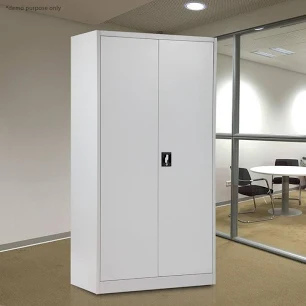
Transitioning from outdated wooden shelves, plastic pallets, or rusted mild-steel racks to heavy-duty Stainless Steel Storage Cabinets Kenya commercial operators trust is the single most effective upgrade you can make.
1. The Hidden Vulnerabilities of Traditional Dry Stores
Many institutional and commercial kitchens invest heavily in cooking equipment and refrigeration while treating the dry store as an afterthought. Shelves are often constructed from cheap timber, particle board, or painted mild steel. This creates several structural vulnerabilities:
-
Pest Breeding Grounds: Wood is porous and easily chewed through by rodents. Over time, wood absorbs spilled flour, oil, and moisture, creating an ideal hidden nesting environment for beetles, weevils, and cockroaches.
-
Moisture Absorption and Mold: Concrete floors and high humidity (especially during rainy seasons or coastal conditions in Mombasa) cause wooden shelving to warp and rot, transferring dampness and mold directly into the base of grain sacks.
-
Corrosion and Flaking: Painted mild steel rusts rapidly when exposed to humidity and chemical cleaners, shedding paint flakes and rust particles into food ingredients.
Stainless steel completely eliminates these vulnerabilities by providing an impervious, non-porous physical barrier that pests cannot bore through and moisture cannot degrade.
2. Why Stainless Steel Storage Cabinets Are the Gold Standard
When outfitting a commercial dry store, food safety auditors and facility managers prioritize materials that comply with international hygiene standards (such as HACCP). High-grade stainless steel (predominantly Grade 304) delivers unmatched advantages:
Impermeable to Pests
Rodents, insects, and larvae cannot chew, scratch, or penetrate solid stainless steel walls, doors, and shelving. By enclosing your dry goods inside lidded or tightly sealed stainless steel storage cabinets, you cut off access to food sources entirely, starving out potential infestations before they start.
Zero Moisture Retention and Mold Resistance
Unlike wood or porous plastics, stainless steel does not absorb water or humidity. It maintains its structural integrity indefinitely, preventing the formation of damp microclimates where mold spores thrive.
Chemical Resistance and Easy Sanitization
Dry stores require regular deep cleaning to remove dust, spilled flour, and crumbs. Stainless steel withstands rigorous scrubbing with commercial sanitizers, degreasers, and high-pressure steam without pitting, rusting, or degrading.
Exceptional Load-Bearing Strength
Sacks of grain and canned goods are heavy. A single sack of maize or rice weighs 50 kg or more. Heavy-gauge stainless steel shelving units and reinforced cabinets are engineered to support massive weight loads without sagging, bending, or collapsing.
3. Designing a Pest-Free Dry Store Layout
Equipment alone will not stop pests if your store layout encourages clutter and poor stock rotation. Follow these structural zoning rules to engineer a secure dry storage room:
A. The “Off-the-Floor” Rule
Never store food items directly on the floor. Even in a clean room, floors accumulate moisture during washdowns and attract crawling insects. All bulk goods should sit on raised pallets, wheeled dunnage racks, or elevated stainless steel cabinet bases at least 150 mm (6 inches) off the floor. This also allows staff to easily sweep and mop underneath.
B. Clearance from Walls
Position storage cabinets and shelving units at least 50 mm to 100 mm away from exterior walls. This prevents condensation transfer from cold or damp walls into stored goods and creates inspection corridors where staff can quickly spot pest droppings or webbing.
C. First-In, First-Out (FIFO) Zoning
Organize your cabinets logically. Frequently used items and newer shipments should be placed behind older stock, ensuring that ingredients are consumed before their expiration dates and preventing insect larvae from hatching undisturbed in forgotten corners.
4. Key Features to Look for When Buying Stainless Steel Storage Cabinets
Not all storage furniture is built to commercial specifications. When acquiring Stainless Steel Storage Cabinets Kenya businesses rely on, evaluate these core features:
-
Certified Steel Grade: Insist on Grade 304 stainless steel for maximum corrosion resistance, especially in humid regions like the Kenyan coast or areas prone to heavy seasonal rains.
-
Perforated vs. Solid Shelving: Solid stainless steel shelves prevent fine flour dust or grain spills from falling onto lower levels, while perforated or wire-grid shelves maximize air circulation around stacked cartons.
-
Enclosed Cabinets vs. Open Racking: Use open shelving for fast-access items in daily rotation, and fully enclosed locking stainless steel cabinets with tight-fitting doors for expensive spices, dried proteins, and sensitive dry goods that require extra pest and dust protection.
-
Adjustable Shelf Heights: Modular cabinets with adjustable shelf brackets allow you to reconfigure vertical space as your inventory mix changes between bulky sacks and small boxes.
-
Heavy-Duty Castors or Levelling Feet: Opt for stationary cabinets with adjustable bullet feet to eliminate floor gaps, or mobile caster-mounted utility cabinets that make deep-cleaning behind storage units effortless.
5. Daily and Weekly Pest-Prevention Protocols
Even with industrial-grade stainless steel storage, operational discipline is required to maintain a 100% pest-free environment:
-
Inspect Incoming Deliveries: Pests are frequently introduced inside infested packaging from external suppliers. Inspect sacks and boxes for tiny entry holes or webbing before bringing them into your dry store.
-
Transfer Open Ingredients to Airtight Bins: Once a sack of flour, sugar, or rice is opened, transfer the contents immediately into food-grade stainless steel bins or heavy-duty polycarbonate containers with tight lids.
-
Maintain Strict Cleanliness: Sweep floors and wipe down cabinet interiors weekly using warm water and mild detergent. Immediately vacuum up any spilled grains or flour.
-
Seal Entry Points: Ensure dry store doors feature tight-fitting door sweeps, and seal any utility pipe penetrations with steel wool and silicone caulk to block rodents.
Secure Your Inventory with Shine Kitchenware
A well-organized, pest-free dry store protects your financial investment, ensures compliance with Kenyan public health standards, and guarantees that every meal leaving your kitchen starts with fresh, uncontaminated ingredients. Upgrading to heavy-duty Stainless Steel Storage Cabinets Kenya hospitality and institutional leaders trust is a permanent solution to pest and hygiene challenges.
When you are ready to upgrade your dry store, kitchen, or restaurant infrastructure with premium commercial equipment, partner with an industry leader. Explore the extensive commercial stainless steel catalog available at shinekitchenware.co.ke. From robust storage cabinets and worktables to commercial shelving racks and kitchen appliances, Shine Kitchenware provides durable, competitively priced solutions tailored specifically for Kenyan businesses—backed by reliable customer support and fast countrywide delivery across Nairobi, Mombasa, Kisumu, Nakuru, Eldoret, and beyond.
 No products in the cart.