
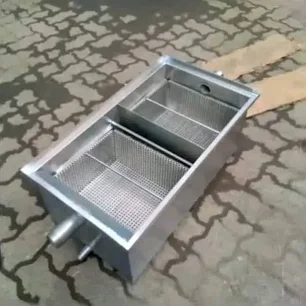
Running a bustling restaurant, hotel kitchen, or fast-food establishment in Kenya’s dynamic hospitality hubs—from the lively dining districts of Nairobi and the coastal resorts of Mombasa to the thriving culinary spots in Nakuru, Kisumu, and Eldoret—demands relentless energy. Behind every perfectly plated meal, however, lies an invisible operational challenge that catches many kitchen owners off guard: wastewater management.
Installing and maintaining a heavy-duty Commercial Kitchen Grease Trap Kenya operators trust is the single most effective investment you can make to protect your plumbing infrastructure, maintain hygiene standards, and safeguard your profit margins. In this comprehensive guide, we examine the mechanics of grease blockages, how commercial grease interceptors work, the essential cleaning equipment required, and how partnering with Shine Kitchenware ensures long-term operational success.
1. The Science of Kitchen Grease and Plumbing Destruction
To understand why plumbing disasters happen so frequently in commercial food service, you must understand how fats, oils, and greases (commonly referred to in the industry as FOG) interact with wastewater systems.
The Phase-Change Trap
When cooking fats and greases are fresh off the stove or fryer, they are hot and liquid. Kitchen staff often rinse plates or wash sufurias using hot water and liquid dish soap. As this greasy wastewater enters the kitchen’s drain pipes, it mixes with cold water and ambient ground temperatures.
As the temperature drops below 30°C, the FOG undergoes a phase change: it solidifies. It coats the interior walls of PVC, cast iron, or concrete pipes, acting like cholesterol plaque in human arteries.
The Accumulation Cycle
Day after day, new layers of grease build upon previous deposits, trapping coffee grounds, rice grains, vegetable peels, and food debris. Eventually, the pipe diameter narrows to a choke point. The consequences are severe and immediate:
-
Wastewater Backflow: Sinks, floor drains, and dishwashing stations begin to back up, spilling foul-smelling, contaminated greywater across the kitchen floor.
-
Health Code Violations: Public health officers enforcing county sanitation laws can instantly shut down an establishment experiencing sewage or drainage backups.
-
Pipe Corrosion and Structural Damage: As organic food waste trapped in grease deposits decomposes, it generates corrosive acids that eat away at metal pipe joints, leading to cracked lines and massive foundation excavation costs.
2. How Commercial Grease Traps Work
A commercial grease trap (or interceptor) is an engineered plumbing device designed to capture FOG before it ever enters the municipal sewer line or your facility’s internal drainage network.
Gravity Separation Principles
Commercial grease traps operate on a simple yet highly effective principle: oil is less dense than water and floats.
-
Inlet Flow Control: Wastewater containing food scraps, water, and grease enters the trap through an inlet flow control fitting that slows down the velocity of the water.
-
Baffle Retention: As the wastewater enters the internal chamber, baffles (internal walls) slow the flow further and direct the liquid through a meandering path.
-
Separation and Cooling: Because the water cools down inside the trap, the lightweight FOG separates from the water, rising to the surface and getting trapped behind retention baffles. Meanwhile, heavy solid food particles sink to the bottom sediment collection chamber.
-
Clean Discharge: Clean, clarified water flows out through the outlet pipe into the municipal drainage system, completely free of heavy grease loads.
3. Types of Commercial Grease Interceptors
Choosing the right grease management system depends on your kitchen’s scale, spatial layout, and local county plumbing codes.
A. Under-the-Sink Grease Traps (Manual Recovery)
-
Best For: Small cafes, coffee shops, bakeries, and quick-service kiosks with limited dishwashing volume.
-
Design: Compact units usually installed directly beneath the dishwashing or prep sink. They are manually inspected, cleaned, and scraped out on a regular basis by kitchen staff.
B. Large-Capacity Outdoor / In-Ground Grease Interceptors
-
Best For: Large hotels, high-volume restaurants, boarding school dining halls, and hospital kitchens producing hundreds of meals daily.
-
Design: Heavy-duty steel or concrete tanks buried outside the building or installed in utility basements. These units hold hundreds of liters of wastewater, offering massive grease retention capacity and requiring professional pump-out servicing only periodically.
C. Automatic Grease Removal Units (AGUs)
-
Best For: Busy 24-hour restaurants and institutional kitchens looking to minimize manual labor.
-
Design: Equipped with electric heating elements and motorized skimming wheels that automatically skim accumulated grease into an external collection cup on a timed cycle.
4. Essential Cleaning Equipment for Grease Management
Installing a grease trap is only half the battle; maintaining it requires the right commercial cleaning tools and protective gear. Neglected grease traps quickly become foul-smelling breeding grounds for bacteria and hydrogen sulfide gas.
-
Heavy-Duty Scrapers and Spatulas: Non-sparking stainless steel or food-grade plastic scrapers designed to remove hardened grease layers from trap walls and baffles without scratching protective coatings.
-
Commercial Degreasers and Bio-Enzymatic Cleaners: Specialized eco-friendly bacterial cultures and enzyme treatments that break down residual fats, oils, and organic sludge in drainage lines without damaging PVC pipes or rubber seals.
-
High-Pressure Drain Cleaning Equipment: Flexible drain snakes, motorized augers, and high-pressure water jetters used by maintenance teams to clear stubborn upstream clogs before they reach the main trap.
-
Personal Protective Equipment (PPE): Heavy-duty rubber gloves, waterproof aprons, and face shields to protect kitchen porters from chemical splashes and biological waste during manual servicing.
5. The Financial Impact: Repair Costs vs. Prevention
Many restaurant owners mistakenly view commercial grease traps and regular maintenance equipment as optional expenses rather than essential capital investments. Let’s look at the financial reality:
-
The Cost of Emergency Plumbing Repairs: Unblocking a deeply clogged main sewer line or excavating a broken kitchen floor drain in Nairobi or Mombasa requires specialized plumbing contractors, heavy machinery, and business downtime. Emergency call-out fees, broken tile replacement, and lost revenue during a 2-day kitchen shutdown can easily cost anywhere from KES 50,000 to over KES 300,000 per incident.
-
The Cost of Prevention: Purchasing and installing a certified commercial stainless steel grease trap, paired with routine preventive cleaning schedules, represents a fraction of that cost and eliminates emergency downtime entirely.
6. Best Practices for Grease Trap Maintenance
To ensure your grease trap functions at peak efficiency, establish a strict operational routine:
-
Scrape Plates Before Washing: Train kitchen staff and dishwashers to scrape all leftover food scraps, sauces, and oils into organic waste bins before placing plates and pots into the sink. Never let food solids enter the drainage system.
-
Establish a Cleaning Schedule: Small under-the-sink traps should be skimmed and cleaned weekly or bi-weekly. Large commercial units require scheduled professional servicing every 1 to 3 months depending on meal volume.
-
Avoid Harsh Chemical Drain Openers: Avoid pouring corrosive industrial acid cleaners down sinks to clear grease blockages. Strong acids destroy pipe joints, kill beneficial bio-enzymes, and prematurely degrade grease trap welds.
-
Keep Maintenance Logs: Maintain a written or digital log of every grease trap cleaning service. County public health inspectors in Kenya routinely request these logs during compliance audits.
Protect Your Restaurant with Shine Kitchenware
A thriving restaurant or hotel kitchen relies on seamless, uninterrupted workflows. Allowing FOG accumulation to compromise your plumbing is an avoidable risk that drains your hard-earned profits through emergency repairs and operational shutdowns. Investing in a robust Commercial Kitchen Grease Trap Kenya operators rely on guarantees peace of mind, regulatory compliance, and a smoothly flowing kitchen.
When you need durable, high-performance stainless steel grease traps, commercial sinks, worktables, and heavy-duty kitchen equipment tailored for East African businesses, partner with an industry leader. Explore the comprehensive commercial catalog available at shinekitchenware.co.ke. From compact under-sink grease interceptors to heavy-duty commercial kitchen solutions, Shine Kitchenware provides top-tier, competitively priced products backed by dependable customer support and fast countrywide delivery across Nairobi, Mombasa, Kisumu, Nakuru, Eldoret, and beyond
 No products in the cart.