
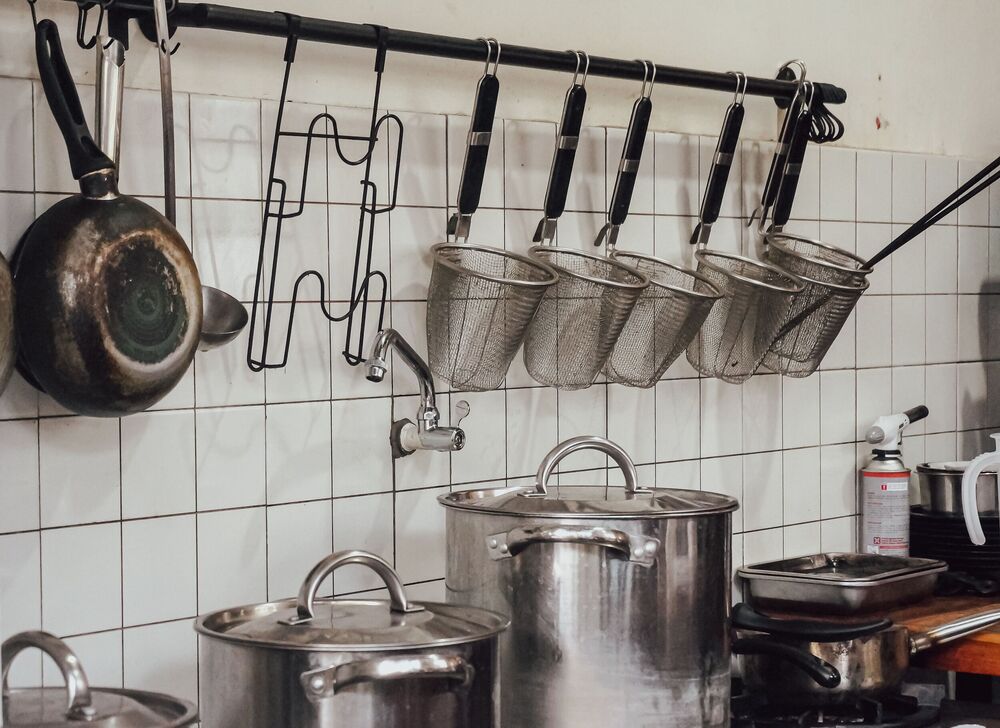
Kenyan buyers can get commercial kitchen equipment from five main routes: specialist suppliers in Nairobi, local stainless steel fabricators, direct imports, online marketplaces, and the second-hand or rental market. Which one is right depends on your budget, your timeline and how much risk you can carry.
The stakes are high. A restaurant, hotel, school canteen or central kitchen runs on its equipment. A fryer that trips the power every week, a fridge that cannot hold temperature in a Mombasa summer, or a cooker nobody can service will cost you far more than the day you save by buying the cheapest option.
Before you shop: get clear on what you need
Walk into a showroom without a plan and you will leave with a salesperson’s plan instead. Spend a day on these basics first.
- Write down your menu and volumes. Equipment should follow what you cook and how many covers you serve at peak. A 40-seat café needs very different capacity from a hotel kitchen feeding 300 at a conference. List every cooking method (frying, grilling, baking, steaming, boiling) and the peak number of meals per hour.
- Decide your energy source. Kenyan kitchens mostly choose between LPG gas, three-phase electricity and, in smaller setups, charcoal or wood. Gas equipment is common and cheaper to run, but it needs a safe cylinder or bulk tank installation and proper ventilation. Electric equipment needs the right supply and a stable connection. Ask your electrician what your premises can actually support before you order anything with a heavy load.
- Sketch a simple layout. Know your wall lengths, door widths and ceiling height. Check that a six-burner range or a walk-in cold room can physically get through the door. Leave room for an extraction hood, because county public health inspectors and insurers will look at ventilation and fire safety.
- Set a realistic budget with a buffer. Add delivery, installation, hoods and ducting, gas fittings, drainage, and servicing to the equipment price. A common mistake is to spend the whole budget on the cooker and have nothing left for the plumbing that makes it work.
- Choose new, used or fabricated deliberately. New imported equipment brings warranties and efficiency. Locally fabricated stainless steel suits tables, sinks, shelving and custom hoods at a lower price. Used equipment can stretch a start-up budget, but only when you can test it. The sections below explain where each fits.
Specialist commercial kitchen suppliers in Nairobi
For most serious buyers, the first stop is a specialist supplier. Nairobi is the centre of the trade, and these companies typically stock ranges, ovens, fryers, refrigeration, dishwashers and hoods under one roof. Many also design layouts, install equipment and service it afterwards. That bundle is the main reason to buy here: one company answers for the whole job.
Several names come up repeatedly in Kenyan business directories and supplier listings:
- Kitchen Equipment Africa describes itself as a supplier and installer, with cooking ranges, deep fryers, extraction hoods and dishwashing systems, plus installation and staff training.
- Hotel & Catering Equipment Suppliers (HCES) focuses on the hospitality sector, offering design, supply and installation.
- Kenya Catering Supplies presents itself as a one-stop shop covering large appliances, utensils and cleaning supplies, with servicing and spare parts.
- Gearnet Kenya is listed as a supplier of commercial kitchen equipment and industrial laundry machines, which suits hotels and institutions.
- Thermoteq Ltd supplies commercial cooking equipment, stainless steel fabrication, refrigeration and air conditioning, and says it works across East Africa.
- Catermall EA is listed as a supplier, fabricator and contractor offering kitchen planning and design, hoods and stainless steel appliances.
- Caterina markets a wide catalogue, including bakery and butchery equipment, with delivery to several Kenyan cities.
What to expect. Specialists usually quote per project. Expect a site visit for larger fit-outs, a written quotation, and a deposit before ordering. Smaller items are often available off the shelf from a showroom.
Where they shine. Single-point accountability, brand ranges, installation and after-sales support. If you are opening a restaurant and want to hand over the keys to a working kitchen, this is the least stressful route.
Where to be careful. Prices are rarely listed, so get at least three quotations for the same specification. Ask whether the brand is the manufacturer’s own or an imitation, and whether the quote includes installation, hoods and gas fittings. Some businesses offer financing for start-ups; if so, read the terms before you sign, because instalments can add real cost.
Local fabricators and Jua Kali makers
Some of the best value in Kenya sits with local metalworkers. Stainless steel work tables, wash sinks, shelving, trolleys, serving counters, charcoal jikos, gas cookers, deep fryers and extraction hoods are all made locally, often to your exact dimensions. For many kitchens, fabricated items are the sensible place to save money, because a table does not need to be imported.
Nairobi has fabrication businesses of every size. New World Stainless Steel Ltd, listed on Lusaka Road, says it has more than 40 years of experience and also offers ventilation work, cold rooms and LPG installations. Vibrant Kitchen Appliances, on Ladhies Road, says it designs and fabricates stainless steel kitchen equipment and delivers countrywide. Beyond named companies, there are clusters of workshops where you can see finished pieces and talk to the people who make them. Some makers also advertise through Facebook groups and marketplaces, where you can see photos and arrange delivery.
Why buy local. Custom sizing, faster turnaround, easier repairs and no import duty or shipping risk. If a hinge breaks or a burner needs replacing, the maker is a short trip away.
What to watch. Quality varies widely between workshops, so check these before you commit:
- The grade and thickness of stainless steel. Ask for the grade (for example 304 versus a cheaper 201) and the gauge, and bring a magnet and a tape measure to a visit.
- Weld quality. Smooth, continuous welds clean easily. Rough or pitted ones trap food and bacteria.
- Safety on gas items. Ask who fits and tests burners, regulators and hoses.
- A written quotation showing materials, dimensions, delivery and any warranty.
Local fabrication is usually the right answer for tables, sinks, shelving and hoods. For equipment with complex electronics or compressors, such as combi ovens and refrigeration, an established brand with spare parts is usually the safer choice.
Importing and online marketplaces
If you need volume, a specific brand or a lower unit price, importing can pay off. Buyers commonly look to China, India, Turkey, Italy and the UAE, depending on price and quality targets. Platforms such as Alibaba make it easy to find manufacturers, and many Nairobi suppliers import from the same factories and add a margin for the service they provide.
What you gain. A wider choice, direct factory pricing and the option to specify exactly what you want, from voltage to finish.
What you take on. Import duty and VAT, freight, insurance, port charges and clearing fees. Landed cost can differ a lot from the factory price, so ask a clearing agent for an estimate before you pay a supplier. You also need to check that the equipment matches Kenyan power (230V single-phase, 400V three-phase, 50Hz) and your gas fittings. Without a local agent, warranty claims and spare parts can become difficult and slow.
Protect your money. Use a verified supplier, ask for samples or factory videos, pay through a trade-assurance or letter-of-credit arrangement rather than a full upfront transfer, and agree an inspection before shipment. Equipment that arrives damaged or wrong is hard to fix from 8,000 kilometres away.
Local online marketplaces. Classified sites such as Jiji.co.ke and social platforms list new and used equipment from sellers across the country. They are handy for small items, for comparing price levels, and for finding second-hand stock. The downside is that anyone can post, so treat every listing as unverified until you have seen the item and the seller in person.
For most small and mid-size businesses, buying through a local importer or specialist is simpler. Direct import makes sense when you are fitting out several kitchens, buying bulk, or need equipment nobody stocks locally. If you do import, work with a clearing agent you trust from the first quote.
Second-hand, rental and financing options
Not every kitchen needs everything new on day one. Three alternatives can ease the cash squeeze.
Second-hand equipment. Closing restaurants, hotel refits and bakery upgrades regularly put good equipment on the market. Look at classifieds, social media groups and dealers who refurbish used stock. Always see the machine running. Check that burners light evenly, compressors cool properly, doors seal, and there is no rust, leaking gas line or damaged wiring. Ask why it is being sold and how old it is. Be most cautious with refrigeration and anything electronic, where hidden faults are expensive. Used stainless steel tables and sinks are usually safe buys, because there is little to go wrong.
Rental. Some providers rent cooking, preparation and serving equipment. That suits event caterers, pop-up kitchens and seasonal businesses, or anyone who wants to test a concept before committing capital. Compare the rental cost over your expected period against the purchase price, and confirm who handles delivery, breakdowns and damage.
Financing and instalments. A few suppliers advertise instalment plans or financing for start-ups. Ask for the total cost over the full term, the interest or markup, what happens if you miss a payment, and who owns the equipment until you finish paying. Alternatively, a business loan or a SACCO loan may cost less than supplier financing, so compare before you decide.
A sensible split for a new restaurant is to buy the equipment that drives your menu and food safety new (the cooker, the fryer, refrigeration), and save money on tables, shelving and smaller items through local fabrication or good second-hand stock.
Buying outside Nairobi
If you run a business in Mombasa, Kisumu, Nakuru, Eldoret or a smaller town, you do not have to travel to Nairobi for everything. Many Nairobi suppliers say they deliver countrywide, and fabricators in regional towns can make tables and shelving locally. Mombasa, as the port city, also has importers and dealers worth checking.
The real question for upcountry buyers is after-sales support. Ask whether the supplier has technicians or partners near you, how long a callout takes, and who carries spare parts. A cheap cooker is no bargain if a technician has to travel 300 kilometres to fix it. Also, agree who pays for transport and who is responsible for damage in transit before the lorry leaves.
How to vet a supplier before you pay
Whoever you buy from, run through the same checks. They take a few hours and can save you months of trouble.
- Visit the showroom or workshop. A real premises with stock, staff and equipment on display tells you more than a polished website. Ask to see machines running.
- Check the business is real. Ask for the company’s registration details and KRA PIN, and look up reviews, past clients and references. Phone a customer who bought something similar.
- Compare like with like. Get at least three written quotations for the same specification: capacity, brand, power type, materials, and what is included. A low price often leaves out installation, hoods or delivery.
- Ask about warranty in writing. Know the length, what it covers, whether labour and parts are both included, and who comes to you. A warranty from a company you cannot find is worth nothing.
- Confirm servicing and spare parts. Ask how fast technicians respond, whether they keep common parts such as thermostats, burners and gaskets, and whether they offer maintenance contracts.
- Match equipment to Kenyan conditions. Check voltage and phase, gas type, water pressure, and whether a unit tolerates power fluctuations. A stabiliser or surge protector is a cheap safeguard for refrigeration.
- Check safety and hygiene. Look for food-grade stainless steel, smooth surfaces that are easy to clean, safe gas connections, and correct ventilation. Where equipment is covered by Kenya Bureau of Standards requirements, ask for evidence of compliance.
- Protect your payment. Pay a reasonable deposit against a written order, take receipts for every payment, and keep the balance until delivery, installation and testing are complete. Be wary of anyone who pushes for full payment by mobile money to a personal number.
- Plan installation and training. Ask who will connect gas, water and power, and whether your staff will be shown how to use and clean each machine.
- Ask about the future. Can you add or upgrade equipment from the same supplier later? A relationship with a dependable supplier is worth more than a one-off discount.
Equip Your Commercial Kitchen with Shine Kitchenware
Finding the right supplier is essential when looking for quality commercial kitchen equipment in Kenya. Whether you are setting up a restaurant, hotel, bakery or catering business, investing in reliable equipment helps improve kitchen efficiency and daily operations. Therefore, it is important to choose a supplier that offers equipment suited to your business needs. If you are looking for where to buy commercial kitchen equipment in Kenya, Shine Kitchenware offers a range of solutions for different commercial kitchen requirements. Visit shinekitchenware.co.ke to explore cooking equipment, bakery appliances, refrigeration units, food display equipment and kitchen accessories. Choose the right equipment for your business and create a well-equipped kitchen that supports your operations.
 No products in the cart.