
Kenya’s healthcare sector is undergoing a profound transformation. From bustling multi-story private hospitals in Nairobi’s upper hill district and community-focused medical centers in Mombasa to remote mission clinics across Turkana and rural health outposts in Kiambu, healthcare providers face a shared operational challenge. Delivering reliable, compassionate, and sterile patient care requires more than expert medical knowledge—it demands uncompromising infrastructure.
When establishing, expanding, or modernizing a medical facility, administrators often focus heavily on diagnostic equipment, patient monitors, and pharmaceutical supplies. However, the silent backbone of daily clinical efficiency is often found in stainless steel utility fixtures. Among the most critical investments a facility can make are medical-grade procedure carts and heavy-duty sanitation fixtures. For procurement officers and clinic directors navigating tight budgets, understanding the Hospital Medicine Trolley Price in Kenya alongside the functional necessity of sluice sinks is vital to operational success.
1. The Imperative of Medical-Grade Stainless Steel in Healthcare
In clinical environments, hygiene and infection control are matters of life and death. Nosocomial infections (hospital-acquired infections) pose a constant threat to recovering patients, newborns, and immunocompromised individuals. The choice of material for medical furniture and utility hardware directly impacts a facility’s infection control rating.
The Science of Non-Porous Surfaces
Standard wood, painted mild steel, and low-grade plastics develop microscopic scratches, cracks, and pores over time. These microscopic fissures become breeding grounds for dangerous pathogens, including Staphylococcus aureus, Escherichia coli, and drug-resistant strains.
Medical-grade stainless steel—predominantly Grade 304—features a passive chromium oxide layer that spontaneously reforms when exposed to oxygen. This creates an impenetrable, non-porous barrier where bacteria, blood, bodily fluids, and pharmaceutical spills cannot penetrate or multiply.
Resilience Against Aggressive Hospital Sterilization
Kenyan clinics and hospitals adhere to rigorous cleaning protocols. Floors, walls, and medical fixtures undergo daily scrubbing with powerful disinfectants, chlorine solutions, enzymatic cleaners, and high-temperature steam sterilization.
-
Mild Steel: Corrodes rapidly, chipping and rusting under chemical exposure, creating jagged edges and hazardous flaking.
-
Low-Grade Stainless Steel (e.g., 201 Grade): Prone to pitting and surface rust in humid coastal regions like Mombasa or Malindi.
-
Grade 304 Stainless Steel: Withstands decades of harsh chemical scrubbing without degrading, pitting, or losing its smooth, sterile finish.
2. Navigating the Hospital Medicine Trolley Price in Kenya
For clinic managers, procurement officers, and private practice owners, budget allocation is always a balancing act. When researching the Hospital Medicine Trolley Price in Kenya, buyers encounter a wide spectrum of costs ranging from budget imports to heavy-duty custom fabrications. Understanding what drives these price variations prevents costly mistakes and ensures long-term value.
Key Factors Influencing Pricing
-
Steel Grade and Thickness (Gauge): Trolleys manufactured from certified Grade 304 stainless steel with heavy-gauge sheet metal (e.g., 1.2mm to 1.5mm thickness) command a higher initial price point than thin, lightweight carts made from inferior grades. However, heavy-gauge trolleys resist denting from heavy oxygen cylinders or portable monitors, lasting three to four times longer.
-
Design Complexity and Configuration: A basic two-tier utility cart costs significantly less than a specialized emergency crash cart, a multi-drawer medication dispensing trolley with secure locking mechanisms, or an anesthetic trolley equipped with waste bins and IV poles.
-
Castor Wheel Quality: Medical environments require silent, non-marking, anti-static swivel castors—often with individual braking mechanisms. High-end medical castors prevent hair and lint accumulation and protect delicate vinyl or epoxy clinic floors, adding to the unit’s overall cost but vastly improving usability.
-
Manufacturing Origin and Customization: Locally fabricated trolleys tailored to specific East African clinical dimensions or customized with specialized rails and drawers offer excellent value compared to heavily taxed imported alternatives, while avoiding long shipping delays.
Why Cheap Alternatives Cost More in the Long Run
Opting for the cheapest trolley on the market often leads to premature failure: wobbling frames, seized wheels, rusted welds, and broken drawer tracks. In a busy casualty ward or outpatient clinic, equipment failure mid-procedure compromises patient safety and forces emergency replacement expenditure. Investing in durable, certified stainless steel equipment represents a lower total cost of ownership over a 5- to 10-year operational lifecycle.
3. Essential Types of Medical Trolleys for Modern Clinics
Different departments within a clinic require specialized mobile solutions to optimize workflow and reduce staff fatigue.
A. Medication and Treatment Trolleys
Designed for safe ward rounds, these trolleys feature secure locking compartments for controlled substances, partitioned drawers for color-coded medication storage, slide-out writing shelves for patient charts, and integrated waste disposal bins. Nurses can administer medication accurately and securely across patient rooms without returning constantly to the central pharmacy.
B. Emergency Crash Carts (Code Blue Trolleys)
In critical care situations, every second counts. An emergency crash cart must be meticulously organized, highly maneuverable, and instantly accessible. Features typically include swing-out medicine trays, cardiac board attachments, oxygen tank holders, and sealable lock bars for quick tamper verification.
C. Instrument and Dressing Trolleys
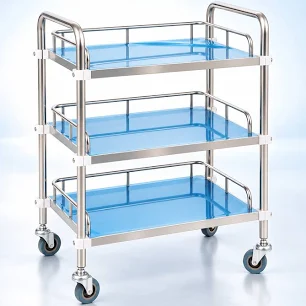
Simple yet indispensable, these two- or three-tier open-shelf trolleys transport sterile surgical instruments, wound-dressing kits, and consumables from the central sterilization department (CSD) directly to examination rooms. Raised protective rails on every shelf ensure that expensive surgical trays or antiseptic bottles do not slide off during rapid transit.
4. The Critical Role of Sluice Sinks in Clinical Infection Control
While medical trolleys handle the active delivery of care, sluice sinks (often referred to as clinical utility sinks or disposal sinks) manage the critical back-end of infection control.
What is a Sluice Sink?
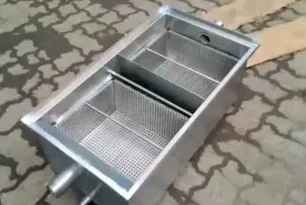
A sluice sink is a heavy-duty sanitary fixture specifically engineered for healthcare facilities to empty, wash, and sanitize bedpans, urine bottles, clinical buckets, and soiled medical utensils. Unlike standard kitchen or bathroom sinks, sluice sinks feature deep, sloped hopper bowls designed to prevent splashing, integrated flushing rims, and heavy-duty grid shelves that support items during rinsing.
Preventing Healthcare-Associated Infections (HAIs)
Improper disposal of human waste and inadequate washing of patient utensils are primary vectors for transmitting enteric pathogens like Clostridioides difficile and norovirus. Sluice sinks connect directly to commercial-grade plumbing and waste systems, safely evacuating contaminated fluids while protecting nursing staff from direct contact and aerosol exposure.
Key Features of Hospital-Grade Sluice Sinks
-
Seamless Deep-Drawn Hoppers: Eliminates welds where organic matter can accumulate and decompose.
-
Heavy-Duty Flushing Rim: Ensures thorough rinsing of bedpans with minimal water wastage.
-
Integrated Splashbacks and Drainers: Directs all runoff safely back into the basin, keeping clinic utility rooms dry and sanitary.
-
Robust Stainless Steel Construction: Resists the corrosive effects of medical waste, strong disinfectants, and heavy daily use.
5. Equipping Specialized Clinical Settings Across Kenya
Kenya’s healthcare landscape is diverse, requiring adaptable equipment solutions tailored to specific facility types:
Private Outpatient Centers and Dental Clinics
In urban centers like Nairobi, Eldoret, and Nakuru, private outpatient clinics emphasize aesthetic appeal alongside rigorous hygiene. Polished stainless steel instrument trolleys project an image of pristine cleanliness, inspiring confidence among patients seeking specialized dental, dermatological, or general medical consultations.
County Hospitals and Rural Health Centers
Public and faith-based mission hospitals operating under county health departments handle immense patient volumes daily. Equipment in these facilities must endure round-the-clock usage by rotating staff shifts. Rugged, welded stainless steel trolleys and robust sluice sinks ensure that rural clinics maintain urban-standard hygiene without requiring constant equipment maintenance.
Maternity and Pediatric Wards
Neonatal care and maternity units demand absolute sterility. Mobile treatment trolleys equipped with warming trays, medication organizers, and secure sharps containers allow pediatric and obstetric teams to deliver delicate care safely and efficiently.
6. Best Practices for Maintaining Stainless Steel Medical Equipment
To maximize the lifespan and sterile integrity of your clinic’s stainless steel trolleys and sluice sinks, implement the following protocol:
-
Establish a Routine Cleaning Schedule: Wipe down surfaces between patient procedures using hospital-approved quaternary ammonium compounds or diluted sodium hypochlorite solutions.
-
Never Use Ordinary Steel Wool: Abrasive pads leave microscopic iron particles embedded in the stainless steel surface, which subsequently rust and compromise the protective chromium oxide layer. Always use soft cloths, non-abrasive sponges, or specialized stainless steel brushes.
-
Rinse After Chemical Exposure: If strong descalers or concentrated chlorine disinfectants are used on sluice sinks, rinse the basin thoroughly with clean water afterward to prevent pitting.
-
Lubricate Castors Regularly: Inspect mobile medical trolleys monthly. Clear hair and lint from castor axles and apply food-grade silicone lubricant to swivel bearings to ensure silent, effortless movement.
Partner with Shine Kitchenware for Premium Stainless Steel Solutions
Equipping a Kenyan clinic, hospital, or medical center with reliable, hygienic infrastructure is an investment in patient safety, staff productivity, and long-term institutional reputation. Whether you are evaluating the ideal Hospital Medicine Trolley Price in Kenya for your facility’s expansion or sourcing heavy-duty sluice sinks for your central sterilization unit, quality cannot be compromised.
When you need durable, medical-grade stainless steel utility fixtures designed to withstand the rigorous demands of East African healthcare environments, trust the industry leader. Explore the comprehensive commercial and institutional stainless steel catalog available at shinekitchenware.co.ke. From multi-tier instrument trolleys and specialized treatment carts to heavy-duty clinical sinks, Shine Kitchenware provides premium, competitively priced stainless steel solutions backed by reliable customer service and fast delivery across Nairobi, Mombasa, Kisumu, Nakuru, and throughout Kenya.
 No products in the cart.