
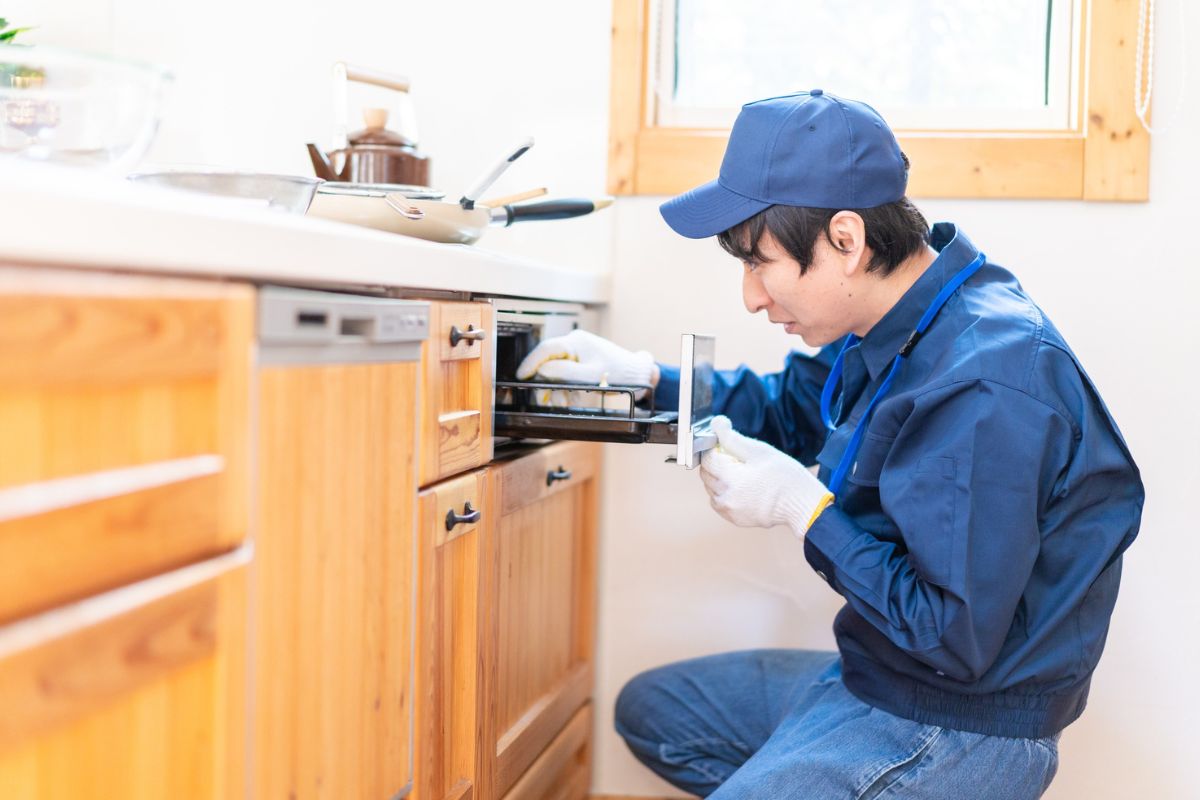
Did you know that poorly maintained kitchen equipment can reduce efficiency by up to 30% and double your energy costs? Whether you run a fast-paced restaurant, a busy hotel kitchen, or cook at home, learning how to maintain kitchen appliances in Kenya is the difference between daily breakdowns and smooth, profitable operations. At Shine Kitchenware, we’ve seen how proper care transforms juakali-made appliances into long-lasting, high-performance tools. From stainless steel cookers to charcoal grills and food trolleys, this guide reveals expert strategies to keep every appliance in top shape — saving you time, money, and unnecessary repairs.
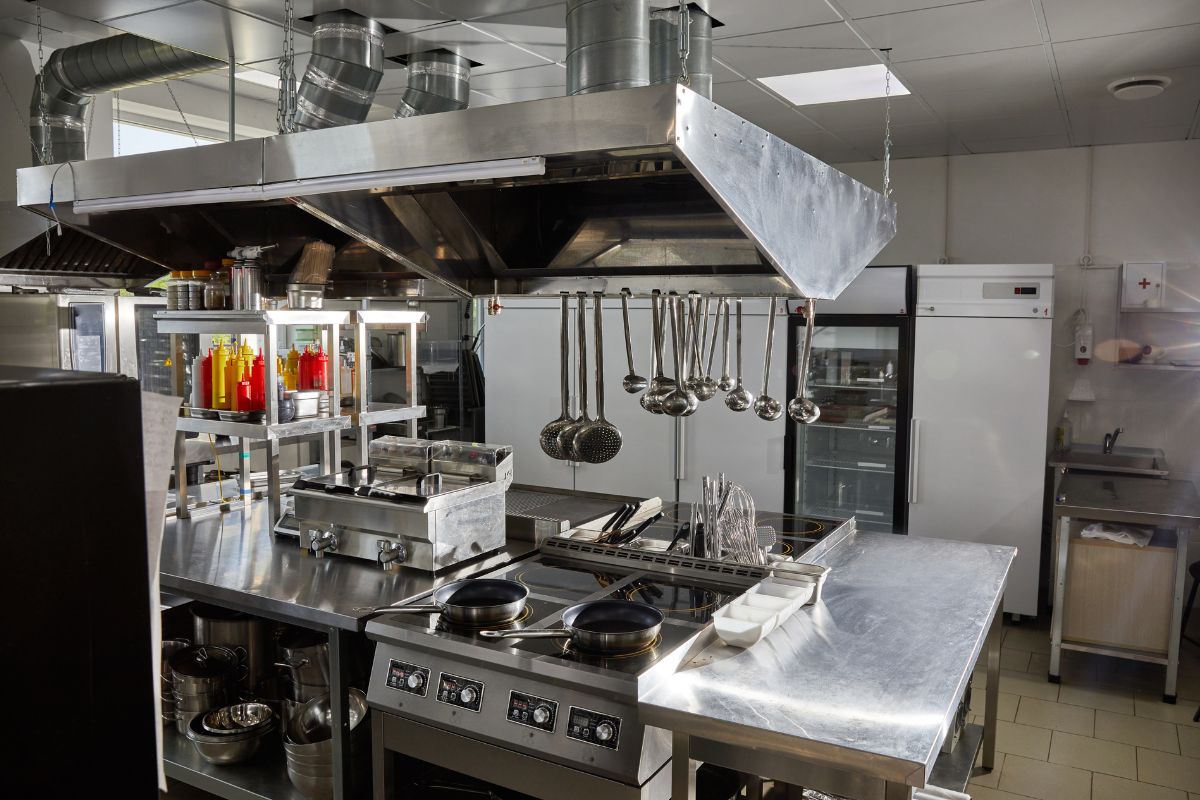
Understanding the Importance of Kitchen Appliance Maintenance
Maintaining your kitchen appliances isn’t just about cleanliness — it’s about protecting performance, safety, and investment. Regular upkeep ensures your juakali-made kitchen equipment continues to serve efficiently, even in the toughest cooking environments. Here’s why consistent maintenance truly matters:
1. It Extends Appliance Lifespan
When you care for your kitchen equipment, you add years to its performance: regular cleaning, lubrication, and inspections prevent wear that leads to early breakdowns.
Juakali-made appliances are built tough, but without proper maintenance, grease, rust, or mechanical stress can shorten their service life. Consistent care reduces metal fatigue, protects surfaces, and keeps appliances running like new — saving you money on frequent replacements.
2. It Enhances Kitchen Safety
Kitchen safety starts with well-maintained equipment: worn-out gas joints, faulty wiring, or clogged burners can easily cause accidents.
By inspecting gas connections, testing electrical parts, and keeping surfaces dry, you reduce fire and leakage risks. Regular maintenance helps you identify hazards early and ensures your workspace remains safe for both staff and customers.
3. It Preserves Energy Efficiency
Clean, well-tuned appliances consume less energy and deliver better results: buildup, dust, or loose fittings force machines to work harder.
When you keep your fryers, cookers, and refrigerators clean and calibrated, they heat, cool, or cook evenly with minimal power use. This not only saves energy but also reduces long-term operational costs — especially for commercial kitchens running multiple units daily.
4. It Maintains Hygiene Standards
A clean kitchen is a healthy kitchen: accumulated oil, rust, and residue can lead to contamination or unpleasant odors.
Maintaining your juakali-made worktops, sinks, and grills prevents bacterial growth and keeps your food preparation environment hygienic. Regular wiping, proper drying, and surface polishing uphold both safety and professional presentation.
5. It Improves Consistency and Performance
Reliable performance depends on maintenance: well-cared-for appliances deliver consistent cooking temperatures and stable output.
When fryers heat evenly, burners ignite instantly, and mixers rotate smoothly, your kitchen runs with precision and speed. Maintenance ensures every appliance performs as intended — reducing downtime and maintaining product quality.
6. It Reduces Long-Term Repair Costs
Prevention is cheaper than replacement: minor issues like loose screws or rust spots can escalate into major repair jobs if ignored.
Scheduling professional servicing and replacing worn parts early helps avoid unexpected expenses. With regular checks, you can detect small defects before they affect performance or safety, keeping your operations efficient and cost-effective.
7. It Keeps Juakali Appliances Looking Professional
First impressions matter: gleaming stainless steel and well-maintained metalwork reflect the quality of your kitchen.
Polishing, gentle cleaning, and protective storage prevent dullness or corrosion. Whether it’s a food trolley, fryer, or display counter, keeping your juakali equipment in top condition enhances both appearance and client confidence.
8. It Promotes Smooth Workflow and Productivity
A well-maintained kitchen runs faster and smoother: equipment breakdowns slow down service and frustrate staff.
When your appliances are dependable and easy to operate, chefs and assistants can work efficiently without delays. Proper upkeep ensures every shift runs seamlessly — a must for busy restaurants and catering businesses.
9. It Supports Compliance with Health Regulations
Health and safety inspections are unavoidable in the food industry: neglected equipment can lead to violations and penalties.
Maintaining your appliances ensures compliance with hygiene and safety standards. Regular cleaning, record-keeping, and professional servicing prove your commitment to responsible operation and customer safety.
10. It Protects Your Overall Investment
Every appliance in your kitchen is an investment: maintenance safeguards that value over time.
By cleaning, inspecting, and servicing regularly, you protect the craftsmanship and quality of your juakali-made tools. This not only sustains peak performance but also strengthens your return on investment by minimizing losses and maximizing efficiency.
How to Maintain Kitchen Appliances in Kenya
Knowing how to maintain kitchen appliances in Kenya is the foundation of every efficient kitchen. Whether you manage a hotel, run a restaurant, or cook from home, regular care ensures your juakali-made equipment lasts longer and performs better. To get the best results from your investment, here’s how to maintain kitchen appliances in Kenya effectively:
1. Clean Juakali Kitchen Appliances After Every Shift
Keeping your kitchen clean after every shift ensures your appliances remain efficient and safe to use: grease and residue build up fast in busy kitchens.
Use mild detergents and warm water to clean stainless steel surfaces, fryers, and sinks. Drain fryer oil daily and filter it before reuse to maintain food quality. Avoid abrasive scrubbers that scratch metal and always dry appliances completely to prevent rusting. Consistent cleaning is one of the most reliable ways to maintain kitchen appliances in Kenya for long-term performance.
2. Inspect Gas Connections and Joints Regularly
Gas-powered appliances require constant inspection to ensure safety and energy efficiency: leaks or damaged fittings can lead to serious hazards.
Check all hoses and joints weekly for signs of wear or cracks. Apply a soap-water test to detect leaks—bubbles reveal escaping gas. Always turn off gas valves when not in use and arrange for professional servicing at least twice a year. These checks are a vital part of how to maintain kitchen appliances in Kenya while ensuring smooth kitchen operations.
3. Lubricate Moving Parts on Food Trolleys and Mixers
Smooth mobility prevents wear and extends appliance life: moving parts need regular lubrication to stay efficient.
Clean all mechanical joints, hinges, and wheels before applying a food-safe lubricant. Check for rust or corrosion and replace worn bearings or wheels as soon as possible. This simple routine enhances performance, especially in busy kitchens where trolleys and mixers are constantly used.
4. Protect Electrical Components from Moisture
Electrical appliances must be handled carefully to avoid water damage: moisture can cause short circuits and malfunctions.
Unplug all electrical fryers, blenders, and hot plates before cleaning. Wipe surfaces with a slightly damp cloth instead of immersing them in water. Keep cords, switches, and sockets dry at all times. Proper moisture control is one of the smartest ways to maintain kitchen appliances in Kenya safely and affordably.
5. Avoid Overloading Cooking and Storage Equipment
Overloading appliances reduces efficiency and weakens structure: even sturdy juakali units have capacity limits.
Follow recommended weight guidelines when using fryers, racks, or storage tables. Avoid placing heavy pots or tools on unsupported areas and distribute weight evenly. This precaution helps preserve structure, ensuring your equipment performs consistently without stress or bending.
6. Schedule Regular Servicing and Maintenance Checks
Routine servicing keeps your appliances in peak condition: professionals can detect problems before they cause breakdowns.
Plan for maintenance every three to six months, depending on how often your kitchen operates. Technicians should inspect gas pressure, thermostat accuracy, and burner performance. Regular servicing is one of the best methods for anyone seeking to learn how to maintain kitchen appliances in Kenya effectively and reduce repair expenses.
7. Handle Juakali Kitchen Appliances with Care
Proper handling reduces unnecessary wear and damage: careless use can cause dents, scratches, and operational issues.
Train your staff on correct cleaning and operation procedures. Avoid striking appliances with metal utensils and always place protective mats beneath heavy cookware. Store detachable accessories carefully to prevent loss or damage. This attention to care ensures long-term performance and reliability.
8. Store Appliances in a Clean, Dry Environment
Storage plays a big role in appliance longevity: dust and humidity can shorten the lifespan of metal equipment.
Keep your appliances in a sheltered, well-ventilated area when not in use. Elevate them off damp floors and cover them with protective sheets to prevent dust buildup. Disconnect electrical and gas units before long-term storage. Following this simple step will help you maintain kitchen appliances in Kenya even during idle periods.
9. Replace Worn-Out Parts Promptly
Small issues become costly repairs if ignored: timely replacement keeps your equipment running efficiently.
Inspect handles, knobs, bolts, and hinges weekly. Replace damaged parts immediately with compatible juakali components. Keep spare fittings on hand for emergencies, and for complex gas or electrical parts, rely on trained technicians. Regular replacements prevent unexpected downtime and maintain kitchen performance.
10. Polish and Protect Stainless Steel Surfaces
Shiny surfaces reflect cleanliness and professionalism: stainless steel requires regular polishing to maintain its natural glow.
Use microfiber cloths and non-abrasive cleaners to wipe down surfaces daily. Apply stainless steel polish weekly to enhance resistance to rust and stains. Wipe along the metal grain and clean spills immediately to prevent discoloration. This simple polishing routine is another vital step in how to maintain kitchen appliances in Kenya and keep them looking brand new.
Benefits of Maintaining Juakali Kitchen Appliances
Regular maintenance does more than just keep your kitchen looking neat — it’s a powerful way to protect your investment and improve overall performance. When you understand how to maintain kitchen appliances in Kenya properly, the rewards are visible in durability, efficiency, and long-term savings. Here’s what consistent care delivers:
1. Longer Appliance Lifespan
Well-maintained appliances work better and last longer: regular cleaning, lubrication, and inspection prevent premature wear and rust.
When you care for juakali kitchen equipment, you reduce metal fatigue, protect structural joints, and prevent corrosion. This simple commitment extends service life, meaning fewer replacements and higher returns on investment.
2. Improved Hygiene and Food Safety
Clean equipment supports a safe kitchen environment: neglected appliances can harbor bacteria, grease, and food residue.
Routine wiping, proper drying, and surface polishing prevent contamination and ensure compliance with hygiene standards. This is especially important for restaurants, hotels, and catering services where food safety defines reputation.
3. Lower Repair and Replacement Costs
Preventive maintenance always costs less than emergency repairs: small problems, when addressed early, stop major breakdowns.
By checking gas fittings, tightening screws, and replacing worn parts promptly, you avoid costly replacements and reduce downtime. Regular care ensures your business stays productive without constant interruptions.
4. Better Energy and Fuel Efficiency
A clean, well-tuned appliance consumes less power and gas: buildup and residue make machines work harder than necessary.
When burners are clean, thermostats calibrated, and moving parts lubricated, your appliances operate at peak efficiency. This not only reduces utility bills but also minimizes environmental impact — a major advantage for commercial kitchens in Kenya.
5. Enhanced Presentation and Professional Appeal
A polished kitchen reflects professionalism and discipline: shiny, well-kept juakali appliances make a lasting impression on customers.
Regular polishing and gentle handling preserve the stainless-steel shine and eliminate rust spots or stains. Clean, organized equipment builds client trust and sets your business apart as one that values quality and hygiene.
6. Reliable Daily Performance
Consistent maintenance keeps every appliance dependable: breakdowns slow down productivity and create costly delays.
When your fryers heat evenly, mixers operate smoothly, and trolleys move freely, your kitchen runs efficiently through every shift. Reliability means smoother workflow, faster service, and better customer satisfaction.
At Shine Kitchenware, we believe that durability comes from two things — expert fabrication and consistent care. By learning how to maintain kitchen appliances in Kenya, you’re not just protecting tools; you’re preserving the craftsmanship and efficiency that keep your kitchen thriving.
How Regular Maintenance Saves Money and Extends Appliance Lifespan
Regular maintenance goes beyond simple cleaning — it’s a smart investment that directly affects your kitchen’s efficiency, safety, and profitability. Whether you run a hotel kitchen, a restaurant, or a busy catering setup, taking time to service your appliances ensures smooth operation and fewer financial surprises. When you understand how to maintain kitchen appliances in Kenya consistently, you create a cycle of savings and durability that keeps your business running at peak performance. Here’s how consistent care makes all the difference:
1. Prevents Expensive Repairs
Neglect is one of the leading causes of appliance breakdowns. Small issues, such as loose gas fittings, worn-out gaskets, or minor electrical faults, can quickly escalate into major damage if not addressed early. Regular inspections help you spot these warning signs before they become costly emergencies.
For example, tightening screws on burners, cleaning fryer filters, and checking electrical cords can prevent costly replacements. In commercial kitchens, where downtime equals lost revenue, preventive maintenance can save you thousands in unexpected repair bills.
Pro Tip:
Create a simple maintenance checklist for your juakali kitchen appliances that includes daily, weekly, and monthly inspections. This helps your staff stay accountable and keeps your appliances in optimal condition year-round.
2. Reduces Energy and Gas Consumption
One of the most overlooked benefits of knowing how to maintain kitchen appliances in Kenya is improved energy efficiency. Appliances clogged with grease, soot, or dust work harder to achieve normal performance — consuming more gas, electricity, or oil in the process.
When you clean burners, calibrate thermostats, and descale heating elements regularly, you reduce power wastage significantly. A clean fryer uses less oil to maintain heat, while a properly serviced gas cooker burns evenly, minimizing fuel loss. Over time, these small adjustments translate into measurable savings on your monthly utility bills.
Here’s how maintenance boosts efficiency:
-
Clean filters and vents: Allow better airflow and prevent overheating.
-
Calibrate temperature controls: Maintain precise heat without energy spikes.
-
Lubricate moving parts: Reduce friction that forces motors to work harder.
-
Check gas nozzles: Ensure a steady, clean flame for consistent cooking results.
By keeping your appliances well-tuned, you not only save money but also reduce your environmental footprint — a win for both your kitchen and the planet.
3. Extends Product Lifespan
Juakali-made kitchen appliances are built to last, but like any machine, they perform best when properly maintained. Regular cleaning, timely part replacement, and professional servicing prevent wear and tear that shortens equipment life.
When you invest in how to maintain kitchen appliances in Kenya effectively, you’re protecting your capital. Instead of replacing a fryer every few years, proper care can make it last a decade or more — saving you substantial replacement costs in the long run.
To extend your appliance lifespan:
-
Clean after every use: Especially for fryers, grills, and stainless steel surfaces.
-
Replace small parts immediately: Don’t wait for knobs, hinges, or gaskets to fail.
-
Schedule professional inspections: At least twice a year for gas and electric systems.
-
Train your staff: Proper handling and cleaning reduce accidental damage.
In the end, maintaining your appliances isn’t just about function — it’s about sustainability and smart financial management. When every piece of equipment runs efficiently for years, you free up resources to grow your business, upgrade your kitchen, or expand your operations with confidence.
The Role of Proper Storage in Maintaining Kitchen Appliances in Kenya
Proper storage is one of the most overlooked aspects of appliance care, yet it plays a major role in preserving performance and durability. Even well-maintained appliances can deteriorate quickly when exposed to moisture, dust, or improper handling. To keep your juakali kitchen equipment efficient and long-lasting, here’s how to maintain kitchen appliances in Kenya through effective storage practices:
1. Ensure Appliances Are Fully Dried Before Storage
A critical part of learning how to maintain kitchen appliances in Kenya is ensuring that every unit is completely dry before being put away. Moisture is the biggest threat to metal appliances — it leads to rust, mold growth, and bacterial contamination. After washing, always dry every surface thoroughly using a clean, absorbent cloth. Allow the appliances to air out before storage, especially for heavy stainless-steel equipment like grills, fryers, and sinks.
For kitchens in humid areas, invest in moisture absorbers or dehumidifiers to keep storage spaces dry. This simple step reduces corrosion and preserves the appearance and performance of your juakali-made appliances.
Pro Tip:
Never stack wet items or cover them immediately after washing. Trapped moisture can silently corrode joints and hinges, reducing the lifespan of your kitchen appliances.
2. Store in Ventilated, Covered Spaces
Proper ventilation plays a major role in how to maintain kitchen appliances in Kenya effectively. Appliances stored in enclosed or damp environments often suffer from rust, discoloration, and odor buildup. To avoid this, keep your appliances in well-aerated, shaded spaces that prevent direct sunlight exposure.
When dealing with outdoor or semi-open kitchens, make sure your juakali kitchen appliances are stored under covered areas. Protecting them from rain, dust, and temperature changes prevents both cosmetic and structural damage.
Best practices for storing kitchen appliances include:
-
Use raised platforms: Keep appliances slightly above ground to avoid water contact.
-
Choose breathable covers: Avoid plastic wraps that trap condensation.
-
Monitor humidity levels: Regularly check for damp spots or signs of rust.
-
Maintain airflow: Ensure there’s enough space between appliances for ventilation.
Proper storage protects not only the appliance itself but also the efficiency and hygiene of your entire kitchen.
3. Keep Accessories Organized
Organization is a key principle in how to maintain kitchen appliances in Kenya efficiently. Accessories like fryer baskets, burner heads, trays, and detachable handles are prone to loss and damage if not stored properly. An organized storage system keeps your workflow smooth and ensures that every part remains in good condition.
Use labeled shelves, wall hooks, or bins to store removable components. Keep fragile or electrical parts separated to prevent tangling or bending. Labeling each storage space helps staff find what they need quickly, reducing downtime during meal preparation.
Effective accessory management tips:
-
Label and categorize: Group items based on appliance type for quick access.
-
Clean before storing: Always ensure detachable parts are sanitized and dry.
-
Rotate usage: For frequently used accessories, rotate them to avoid uneven wear.
-
Inspect regularly: Look out for rust, cracks, or dents before reassembling.
Proper organization doesn’t just keep your kitchen neat — it preserves appliance performance and extends usability. When every tool and attachment has its place, your juakali kitchen operates more efficiently and safely.
Eco-Friendly Ways to Maintain Kitchen Appliances in Kenya
As kitchens become busier and energy costs rise, sustainability has never been more important. Understanding how to maintain kitchen appliances in Kenya with eco-friendly practices not only helps preserve the environment but also reduces your utility expenses. By adopting greener habits, you can extend the lifespan of your juakali kitchen equipment while minimizing waste and pollution. Here’s how to make your maintenance routine more environmentally responsible:
1. Use Biodegradable Cleaning Agents
Eco-conscious cleaning starts with the right products. When learning how to maintain kitchen appliances in Kenya, replace harsh chemicals with biodegradable, plant-based detergents. These cleaners effectively remove grease, grime, and stains without damaging stainless steel surfaces or releasing toxic residues into wastewater systems.
Using natural ingredients such as vinegar, lemon, or baking soda can also deliver powerful cleaning results. Not only are they safer for your staff and the environment, but they also protect the finish and integrity of juakali-made appliances — especially those fabricated from locally sourced metals.
Eco-Friendly Cleaning Tips:
-
Mix lemon juice and vinegar for an effective degreaser.
-
Use reusable microfiber cloths instead of disposable wipes.
-
Avoid ammonia-based cleaners that corrode metal over time.
2. Recycle Used Oil and Metal Components
One of the most overlooked steps in how to maintain kitchen appliances in Kenya sustainably is proper disposal and recycling. Instead of discarding used cooking oil or worn-out metal parts, establish a recycling routine with local waste management partners.
Recycled oil can be repurposed into biodiesel, while metal scraps from grills, burners, or fryer baskets can be melted down and reused. Many juakali artisans appreciate receiving these materials since they can repurpose them into new tools or kitchen accessories — creating a sustainable local economy loop.
Responsible Disposal Practices:
-
Store used oil in sealed containers for collection.
-
Partner with certified recyclers for regular pickups.
-
Donate reusable metal components to local fabricators.
-
Avoid pouring oil down drains — it clogs plumbing and pollutes water systems.
3. Optimize Energy Use
Energy efficiency plays a vital role in extending appliance life and reducing your carbon footprint. Appliances that are regularly cleaned and calibrated use less gas, water, and electricity. For anyone focused on how to maintain kitchen appliances in Kenya sustainably, optimizing energy consumption is both practical and cost-effective.
Start by unplugging idle appliances when not in use to prevent “phantom energy” drain. Schedule regular servicing to ensure burners, fryers, and ovens heat evenly and efficiently. Upgrading to energy-efficient burners or using insulated lids can also help conserve heat and minimize gas consumption.
Energy-Saving Habits for Every Kitchen:
-
Turn off unused equipment during off-peak hours.
-
Calibrate thermostats and timers for accuracy.
-
Regularly clean vents, filters, and coils for better airflow.
-
Use natural light during the day to reduce electricity use.
Incorporating these eco-friendly steps into your daily routine not only supports a cleaner planet but also enhances the long-term reliability of your juakali kitchen appliances. By focusing on sustainable ways of how to maintain kitchen appliances in Kenya, you invest in both environmental preservation and long-term operational efficiency.
Professional Maintenance vs. DIY: What’s Best for Your Kitchen?
When exploring how to maintain kitchen appliances in Kenya, understanding the right balance between do-it-yourself care and professional servicing is key. Each approach serves a unique purpose — one focuses on daily upkeep, while the other ensures safety, compliance, and long-term reliability. The best results come from knowing when to handle tasks in-house and when to call in the experts:
1. DIY Maintenance for Daily Care
Basic upkeep is the foundation of effective kitchen appliance maintenance. Routine cleaning, drying, and inspections can easily be done by staff or homeowners without specialized tools. This includes wiping stainless steel surfaces, checking for leaks, and ensuring gas valves are properly shut after every shift.
DIY maintenance not only keeps juakali-made appliances looking clean and professional but also prevents buildup and wear that could lead to bigger problems later. When you consistently perform these small tasks, your equipment remains efficient, hygienic, and ready for daily use.
Simple DIY Maintenance Tasks:
-
Clean fryers, grills, and sinks after every use with mild detergents.
-
Check cords and plugs for visible damage or fraying.
-
Tighten loose screws, handles, or joints regularly.
-
Drain and filter cooking oil before reuse to maintain quality.
2. Professional Servicing for Complex Systems
While daily care can be done internally, certain areas require professional expertise. Appliances powered by gas or electricity — such as cookers, ovens, and deep fryers — have intricate systems that demand technical precision. Certified technicians can safely inspect, repair, and calibrate these units, ensuring they meet safety and energy standards.
Professional maintenance also involves performance testing and preventive diagnostics. For example, a technician may adjust burner pressure, test thermostat accuracy, or replace worn-out seals. This not only improves performance but also prevents dangerous issues such as gas leaks or electrical faults.
Professional Maintenance Checklist:
-
Inspect and tighten gas connections and joints.
-
Test thermostats, heating elements, and safety switches.
-
Lubricate mechanical parts and replace corroded fittings.
-
Conduct full-system performance evaluations every 3–6 months.
3. Combine Both for Best Results
The most effective strategy in how to maintain kitchen appliances in Kenya is to combine DIY efforts with professional servicing. This hybrid approach ensures that minor issues are managed daily while major systems receive expert care at scheduled intervals.
By maintaining this balance, you protect your juakali-made kitchen appliances from both neglect and overuse. Regular cleaning keeps them visually appealing and hygienic, while periodic servicing ensures operational safety and efficiency. This partnership of consistency and expertise guarantees long-lasting performance — and saves you from unexpected repair costs.
Why a Combined Approach Works Best:
-
Prevents small issues from escalating.
-
Keeps your kitchen compliant with safety regulations.
-
Extends appliance lifespan and reduces total ownership costs.
-
Maintains professional appearance and consistent performance.
When you blend professional expertise with daily care, you not only preserve your investment but also enhance kitchen productivity. That’s the smart, cost-effective way to maintain kitchen appliances in Kenya — especially for businesses that rely on juakali-built durability every day.
Why Local Juakali Fabrications Are Easier to Maintain
Local juakali kitchen appliances stand out not only for their durability but also for their ease of upkeep. These appliances are designed with practicality in mind — built by local artisans who understand the challenges faced in Kenyan kitchens. Their rugged design, accessibility of parts, and compatibility with local conditions make them more maintenance-friendly than imported alternatives. Here’s why owning juakali fabrications simplifies how to maintain kitchen appliances in Kenya:
1. Readily Available Spare Parts
One of the biggest frustrations with imported appliances is the scarcity and high cost of replacement parts. Juakali fabrications eliminate that problem completely. Spare parts are locally made and easy to source from nearby workshops or metal artisans, meaning you don’t have to wait weeks for imports or pay inflated prices.
This local accessibility ensures your kitchen equipment gets repaired fast — minimizing downtime and keeping operations running smoothly. Whether you need replacement knobs, hinges, burners, or fryer baskets, juakali workshops across Kenya offer quick, affordable solutions.
Advantages of Local Spare Parts:
-
Faster turnaround for repairs and replacements.
-
Lower maintenance costs due to locally sourced materials.
-
Easy customization for unique kitchen setups.
-
Direct access to skilled technicians who understand the fabrication.
2. Sturdy, Repair-Friendly Design
Juakali appliances are engineered for strength and simplicity. They’re fabricated from durable metals like stainless steel and mild steel, making them easy to clean, weld, and modify when needed. Unlike imported models that rely on delicate electronic systems, these units use straightforward mechanical designs that any trained technician can service.
Their repair-friendly structure allows parts to be dismantled, cleaned, and reassembled without special tools. This makes daily maintenance easier for your team and lowers the long-term cost of ownership.
Why Juakali Designs Are Easier to Repair:
-
Simple, open-frame construction for easy access.
-
Compatible with locally available tools and materials.
-
Built to withstand heat, oil, and heavy handling.
-
Designed with detachable parts for convenient cleaning and repairs.
3. Tailored for Kenyan Kitchens
Every juakali kitchen appliance is built with local cooking habits, power conditions, and environmental factors in mind. They’re made to endure heavy use, frequent cleaning, and fluctuating electricity or gas supply — challenges common in Kenyan kitchens.
Because they’re purpose-built for these realities, maintaining them becomes easier and more intuitive. You don’t need specialized instructions or foreign technicians — local users and artisans already understand how to handle, clean, and maintain them effectively.
Key Advantages for Kenyan Kitchens:
-
Designed to handle frequent power fluctuations.
-
Adapted for high-volume cooking and rugged use.
-
Easy to clean and polish using locally available products.
-
Cost-effective to service and maintain long-term.
Juakali-made appliances are more than just durable — they’re a smart investment for anyone who values efficiency, longevity, and ease of maintenance. Their local craftsmanship ensures that every restaurant, hotel, and home kitchen can keep equipment performing at its best with minimal hassle. That’s why understanding how to maintain kitchen appliances in Kenya begins with choosing the right fabrications — reliable, repairable, and built for your environment.
Where to Find Reliable Spare Parts for Kitchen Appliances in Kenya
When it comes to keeping your kitchen running efficiently, using genuine spare parts makes all the difference. At Shine Kitchenware, we understand that maintaining your appliances goes beyond cleaning — it’s about replacing worn-out parts with durable, locally crafted components that keep your operations smooth and safe. Knowing where and how to source quality replacements is the key to learning how to maintain kitchen appliances in Kenya effectively. Here’s how we help you stay fully equipped:
1. Buy Directly from Shine Kitchenware
As one of Kenya’s trusted juakali kitchen appliance manufacturers, we supply original, perfectly fitting spare parts for all our products. Every knob, burner, hinge, or fryer basket we fabricate is made to match the exact specifications of your appliance, ensuring peak performance and long-lasting durability.
When you buy directly from us, you eliminate the risk of counterfeits, poor-quality imports, or ill-fitting replacements. Our in-house fabrication team ensures every spare part is tested for strength, heat resistance, and safety — because your kitchen deserves the same quality as the day it was first installed.
Why Buy from Shine Kitchenware:
-
Guaranteed compatibility with all juakali-made appliances.
-
Locally fabricated parts built to withstand heavy commercial use.
-
Reliable customer support and quick delivery across Kenya.
-
Access to maintenance guidance from our technical experts.
2. Verify Material Quality Before Purchase
Not all replacement parts are created equal — material quality determines how long your appliance will last after servicing. At Shine Kitchenware, we only use industrial-grade stainless steel and heavy-gauge aluminum to craft spare components that handle high heat, moisture, and frequent cleaning.
Our materials are sourced and tested to meet food safety and durability standards, ensuring your investment performs at its best. Whether you need new fryer baskets, gas burners, or stainless steel panels, we guarantee consistency in quality and craftsmanship.
How We Ensure Quality in Every Spare Part:
-
Use of corrosion-resistant and food-grade metals.
-
Rigorous inspection for weld strength and finish quality.
-
Custom fabrication for non-standard or specialized equipment.
-
Replacement options designed for easy fitting and minimal downtime.
With Shine Kitchenware, you get spare parts that don’t just replace — they enhance performance.
3. Keep a Regular Inventory with Shine Kitchenware Support
Running a commercial kitchen means being prepared for the unexpected. We help you maintain an inventory of essential spare parts so your operations never have to pause due to minor breakdowns. From knobs and handles to gas burners and fryer baskets, our team can recommend which items to keep in stock based on your appliance usage.
We also offer tailored maintenance kits designed for hotels, restaurants, and institutions that rely on juakali equipment daily. These kits include the most commonly replaced components, saving you time, cost, and unnecessary delays.
Our Inventory Support Services Include:
-
Bulk supply of essential spare parts for high-demand kitchens.
-
Organized packaging and labeling for easy access.
-
Scheduled restocking services based on your kitchen’s needs.
-
Maintenance tracking assistance to monitor wear and replacements.
By partnering with us, you’ll never have to pause operations because of unavailable parts. Shine Kitchenware ensures you always have what you need to keep your appliances running efficiently and safely.
Maintaining your kitchen equipment doesn’t end with cleaning — it continues with smart sourcing and reliable replacements. At Shine Kitchenware, we make it easy to find genuine, durable, and affordable spare parts for all juakali kitchen appliances. With our local craftsmanship, trusted materials, and dedicated customer support, you can count on us to help you master how to maintain kitchen appliances in Kenya — efficiently, affordably, and professionally.
Common Mistakes to Avoid When Maintaining Kitchen Appliances
Even with the best intentions, many kitchens unknowingly shorten the lifespan of their equipment through poor maintenance habits. Understanding these pitfalls helps you protect your investment and keep your juakali-made kitchen appliances working efficiently. Here are the most common mistakes to avoid:
1. Using Harsh or Abrasive Cleaning Chemicals
Strong detergents, acids, or bleach can corrode metal and damage protective coatings: instead, use mild, food-safe cleaners designed for stainless steel and aluminum surfaces.
Harsh chemicals not only dull the finish of juakali kitchen equipment but can also cause rust and contamination risks. A gentle cleaning routine preserves shine, hygiene, and long-term durability.
2. Ignoring Manufacturer or Fabricator Maintenance Schedules
Every appliance comes with specific care recommendations: skipping routine checks leads to hidden wear, inefficiency, and early failure.
Following the maintenance intervals suggested by your fabricator or supplier ensures that gas burners, fryers, and griddles stay in top shape for years. Preventive action always beats costly repairs.
3. Storing Wet Appliances Without Proper Drying
Moisture is one of the biggest threats to metal surfaces: storing wet equipment invites rust, electrical faults, and unpleasant odors.
Always wipe down and air-dry every appliance before storage — especially juakali-made tools like working tables, trolleys, and fryers. A dry surface means a longer-lasting, cleaner workspace.
4. Allowing Untrained Staff to Operate or Clean Appliances
Untrained handling often leads to accidents, damage, and inconsistent performance: every staff member should know the correct way to operate and maintain each unit.
Training ensures safety, efficiency, and respect for the craftsmanship behind juakali kitchen appliances. When everyone understands proper care, your entire kitchen runs more smoothly.
5. Delaying Minor Repairs and Replacements
Ignoring small issues like loose knobs, gas leaks, or uneven heating often leads to major breakdowns later on: quick repairs save both time and money.
Routine inspections help detect problems early before they escalate into expensive downtime. Acting fast keeps your appliances reliable and your kitchen fully operational.
By avoiding these common mistakes, you not only extend the life of your appliances but also maintain the professional image and reliability that every kitchen depends on. Proper care is the secret to getting the most out of every juakali-made appliance — from performance to presentation.
Frequently Asked Questions on How to Maintain Kitchen Appliances in Kenya
Understanding how to maintain kitchen appliances in Kenya helps you keep your kitchen efficient, safe, and profitable. Whether you use juakali-made or commercial-grade appliances, the right maintenance practices prevent breakdowns, extend lifespan, and ensure consistent performance. Here are the most common questions customers ask — and the expert answers you need to keep your equipment in top shape:
1. How often should I clean my kitchen appliances?
When learning how to maintain kitchen appliances in Kenya, daily cleaning is non-negotiable. After every use or business shift, wipe down grills, fryers, and countertops to remove grease and food residue. Weekly deep cleaning is also important for removing hidden dirt and buildup. Consistent cleaning prevents rust, keeps your appliances looking professional, and reduces the risk of contamination — essential for both home and commercial kitchens.
2. What’s the best cleaner for stainless steel appliances?
For stainless steel kitchen equipment, use mild dish soap mixed with warm water or a specialized stainless steel cleaner. Always apply it with a soft microfiber cloth and follow the grain of the metal to prevent streaking. Avoid harsh chemicals or abrasive pads that can scratch the surface. Regular cleaning keeps your equipment shining and makes it easier to maintain kitchen appliances in Kenya even in busy, high-use kitchens.
3. Can I use vinegar or lemon to clean appliances?
Yes, you can use vinegar or lemon for cleaning, but make sure they are diluted with water. These natural solutions are great for removing grease, stains, and bacteria buildup. However, avoid leaving them on metal surfaces for too long, as acidity can cause dulling or discoloration. Eco-friendly cleaning is one of the simplest ways to maintain kitchen appliances in Kenya while promoting sustainable hygiene practices.
4. How do I maintain charcoal grills for long-term use?
If you’re using a juakali charcoal grill, empty ash after every use since ash traps moisture that can lead to rust. Clean the surface with warm soapy water, dry thoroughly, and apply a thin layer of rust-resistant paint as needed. Store the grill in a covered, dry space to protect it from rain and humidity. Regular cleaning and protective coating are key steps in how to maintain kitchen appliances in Kenya that are exposed to outdoor conditions.
5. Why is my fryer oil turning dark quickly?
Dark oil is often a sign of contamination or overheating. Filter fryer oil daily to remove food particles and moisture that accelerate degradation. Avoid mixing old and new oil, and clean the fryer basin frequently to prevent residue buildup. Maintaining oil quality ensures better-tasting food, protects your equipment, and helps you maintain kitchen appliances in Kenya more efficiently for both home and commercial kitchens.
6. How do I prevent rust on food trolleys and shelves?
To prevent rust, always dry your kitchen trolleys, shelves, and stainless steel tables after washing. Even small amounts of moisture can lead to corrosion over time. You can also apply a stainless steel polish or a light layer of food-safe mineral oil for protection. This simple practice is one of the easiest and most effective ways to maintain kitchen appliances in Kenya, especially in coastal or humid areas.
7. Should I hire professionals for maintenance?
Yes, hiring professionals is essential for complex repairs and inspections. Gas cookers, electric fryers, and ovens need specialized servicing to ensure safety and efficiency. Professionals can spot hidden issues such as leaks, worn-out parts, or faulty wiring before they cause serious problems. For the best results, combine daily cleaning with periodic professional maintenance — a balanced approach that defines how to maintain kitchen appliances in Kenya for long-term reliability.
8. How can I extend the life of my juakali-made appliances?
Extending the lifespan of juakali kitchen appliances starts with consistent care. Clean them daily, store them properly, and repair minor damages before they worsen. Always use original or compatible spare parts, avoid overloading equipment, and lubricate moving components when needed. This practical approach not only boosts performance but also shows exactly how to maintain kitchen appliances in Kenya while keeping operational costs low.
9. Can Shine Kitchenware repair or customize existing juakali products?
Yes, we specialize in repairing and customizing juakali-made kitchen appliances. Whether your fryer needs a new thermostat, your grill needs reinforcement, or your stainless steel table requires resizing, our local craftsmen can modify or restore it for optimal use. We also fabricate custom replacement parts on-site, ensuring quick turnaround and perfect fit. For anyone exploring how to maintain kitchen appliances in Kenya efficiently, our expert support makes the process simple and affordable.
10. Are juakali kitchen appliances suitable for hotels and restaurants?
Absolutely. Juakali kitchen appliances are ideal for both small eateries and large hotels because they’re built for durability, heavy use, and easy maintenance. Their simple mechanical design allows quick repairs using locally available spare parts. This makes them more practical and cost-effective than imported models. For business owners who want reliable performance and easy upkeep, juakali products represent the best example of how to maintain kitchen appliances in Kenya without sacrificing quality or performance.
Keep Your Kitchen Running Smoothly — Learn How to Maintain Kitchen Appliances in Kenya with Shine Kitchenware
Ensure your juakali kitchen appliances stay efficient, durable, and safe with Shine Kitchenware’s expert solutions. Whether you need guidance on how to maintain kitchen appliances in Kenya, professional servicing, or quality replacement parts, we have you covered. Don’t wait for costly breakdowns — contact us today to schedule maintenance, order spare parts, or explore our locally fabricated appliances built to last. Take action now and keep your kitchen performing at its best with Shine Kitchenware.



 No products in the cart.