
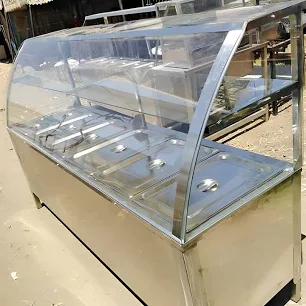
Think about the last time you walked past a bakery or cafe and felt your steps slow down. Maybe it was a tray of golden samosas glowing under warm lights, a stack of soft mandazi, flaky pies, sausage rolls, or crispy chicken wings that looked as if they had just come out of the fryer. You did not plan to buy anything, yet a few minutes later you were holding a paper bag.
That moment is exactly what a heated food display warmer is designed to create. It keeps food hot, fresh and visible, turning your counter into a silent salesperson that works from opening to closing. For cafes, bakeries, snack bars, takeaways and petrol-station shops across Kenya, this humble glass cabinet can increase sales, cut waste and improve customer satisfaction.
What Is a Heated Food Display Warmer?
A heated food display warmer, sometimes called a hot display case, pie warmer, snack warmer or food showcase, is a cabinet with glass sides that holds cooked food at a safe, appetising serving temperature while customers can see it. Most units use electric heating elements, often with a thermostat so you can set the temperature, and many include internal lighting to make the food look even more tempting.
Common types
- Countertop glass warmers. Compact units that sit on the counter, popular in small cafes, kiosks and bakeries. They typically hold snacks such as samosas, pies, sausages, pastries, spring rolls, chicken pieces and chips.
- Multi-shelf display cabinets. Taller units with several heated or lit shelves for larger menus and higher volumes.
- Curved or square glass showcases. Chosen mostly for their look, they suit shops where presentation is part of the brand.
- Humidity-controlled warmers. Some models include a water tray or humidity control to keep foods such as rolls, buns and steamed items soft and moist, while others are dry heat for crispy items.
- Heated display with storage or base units. Combined designs that add a cupboard, counter or extra holding space underneath.
Why Food Presentation Drives Sales
People buy with their eyes first. In cafes and bakeries, a large share of purchases are impulse buys, items customers had not planned to buy until they saw them. A well-presented display triggers hunger, builds trust in freshness and makes choosing easy.
A heated display does three important things at once. It shows the food clearly, it signals that the food is hot and freshly made, and it makes it effortless for the customer to say “I’ll take that one.” Without a display, you rely on customers asking what you have, and many simply will not bother.
How Heated Food Display Warmers Boost Sales
1. They create impulse purchases
A glowing cabinet of hot samosas, mandazi, sausage rolls or chicken at the till is a powerful prompt. Customers who came in for tea may add a snack. Those who came for a loaf of bread may add a hot pie. Placing the warmer near the counter or entrance puts temptation right in their path.
2. They keep food hot for longer
Cold, soggy snacks do not sell, and they rarely earn repeat customers. A warmer holds items at a pleasant serving temperature so the last samosa of the afternoon is as appealing as the first. That extends your selling window and helps you serve customers who arrive after the initial rush.
3. They speed up service
When hot items are ready and waiting, staff can serve them in seconds instead of cooking to order. Faster service means shorter queues, more customers served per hour and fewer people walking away because the line is too long. For breakfast and lunch rushes, that speed translates directly into revenue.
4. They reduce food waste
Hot food left on a tray cools, dries and ends up in the bin. A warmer slows that decline and lets you hold food for a sensible period. Less waste means better margins. Combined with smart batch cooking and regular stock checks, a warmer helps you match production to demand.
5. They build a fresh, professional image
A clean, well-lit display tells customers that your business cares about quality and hygiene. Glass protects food from dust, flies and hands, which reassures customers and supports food safety expectations. A professional look can justify better prices and encourage customers to return.
6. They make upselling and combos easier
When customers can see the full range, it is simple to suggest combinations such as a samosa with tea, a pie with a soda, or two pastries and a coffee. Visible choices help staff and customers alike, and meal deals become easy to promote.
7. They help you expand your menu
A warmer lets you add hot snacks without needing a big kitchen at the counter. Cafes that mainly served drinks can introduce savoury items, and bakeries can expand beyond bread and cakes into hot pastries, pies and fried snacks. More menu options bring more reasons to visit and more chances to earn.
8. They support all-day selling
Hot display units help you sell throughout the day instead of only at peak times. Morning pastries, midday snacks and evening savouries can all be held and displayed with proper planning, giving you more ways to bring in revenue between rushes.
9. They stand out in a competitive market
In busy areas of Nairobi, Mombasa, Kisumu, Nakuru and other towns, customers have plenty of choices. A well-lit, attractive hot display makes your shop easier to notice and easier to choose.
What You Can Keep in a Heated Display Warmer
Good candidates for a heated display include:
- Samosas and spring rolls
- Meat pies, sausage rolls and savoury pastries
- Mandazi and other fried dough snacks (best in a dry or lightly vented unit)
- Fried chicken pieces and wings
- Chips and other fried snacks (for short holding times)
- Sausages, smokies and grilled items
- Bread rolls, buns and filled breads
- Chapati and flatbreads in suitable warmers
Remember that quality drops with time even in a warmer. Crispy foods can soften and moist foods can dry out, so rotate stock, cook in smaller batches and follow sensible holding times.
Food Safety: Keep It Hot and Keep It Clean
A display warmer is designed to hold hot food, not to heat cold food. Always place freshly cooked, properly hot food into a preheated unit. Food safety guidance commonly advises holding hot food above roughly 60°C, but exact rules can vary, so confirm the requirements that apply to your business with your county public health office.
Good practice includes:
- Preheat the unit before loading food.
- Check temperatures with a food thermometer, not just the dial on the machine.
- Limit holding time. Discard food that has been held too long according to your local guidance and your own quality standards.
- Keep raw and cooked items separate and use clean utensils or tongs for serving.
- Clean glass, shelves and trays daily, and deep clean on a regular schedule.
- Wash hands and use gloves or tongs when serving customers.
- Do not overload the cabinet, which can block heat and cause cold spots.
Heated Food Display Warmer Price in Kenya: What Affects the Cost?
Cost is naturally one of the first questions buyers ask. The honest answer is that the heated food display warmer price in Kenya varies widely, and a single number would be misleading. Prices change over time and between suppliers, so always request a current written quotation before you decide. Here are the factors that shape the price.
1. Size and capacity
A compact countertop warmer costs less than a large multi-shelf cabinet. Bigger units contain more glass, more heating elements and more stainless steel, which adds to the price.
2. Number of shelves and heating zones
Units with several heated shelves or independently controlled zones give you more flexibility, and cost more than simple single-shelf models.
3. Build quality and materials
Stainless steel frames, thick tempered glass and quality hinges and seals last longer than thin metal and weak glass. Better materials often mean a higher price, but also a longer working life.
4. Heating system and controls
Thermostat accuracy, element quality, humidity control, fan-assisted heat and digital displays all affect cost. A unit with precise controls helps you hold food at the right temperature and reduces waste.
5. Lighting and design
LED lighting, curved glass, decorative finishes and branded designs can raise the price, but they also improve presentation and may boost sales.
6. Brand, origin and warranty
Well-known brands and imported models may cost more than local or lesser-known alternatives. Warranty terms and spare parts availability are part of what you pay for.
7. Extra features
Wheels, storage bases, sliding doors, trays, signage holders and ventilation options all add to the price.
8. Market conditions
Exchange rates, import duties, transport costs and demand can all move prices, which is why old online listings may not reflect today’s price.
Is a Heated Display Warmer Worth the Investment?
To judge the value of a warmer, think in terms of return rather than just cost. Ask yourself:
- How many extra items could I sell each day because they are visible, hot and ready?
- How much food do I currently waste that a warmer could save?
- How much time do I lose cooking to order that a warmer could free up?
- What is my profit on each item, and how quickly would extra sales cover the cost of the unit?
- How much could better presentation help me attract new customers?
Even a modest increase in daily snack sales can add up over a month and repay the investment within a reasonable period, especially when combined with reduced waste and faster service. Do your own calculation using your own prices and sales figures.
How to Choose the Right Heated Food Display Warmer
Use this checklist when comparing options:
- Match the size to your menu and volume. Too small and you will keep running out. Too large and you will waste power and food.
- Choose the right heating type. Dry heat suits crispy foods, while humidity-controlled models suit soft, moist items.
- Check temperature control. Look for an adjustable thermostat and a way to monitor the temperature.
- Look at glass and visibility. Clear, tempered glass and good lighting make food look its best and keep it protected.
- Inspect materials and construction. Choose sturdy stainless steel, tight seals and well-fitted doors.
- Consider cleaning access. Removable shelves, smooth surfaces and accessible interiors save time.
- Check power consumption. Make sure the unit suits your electrical supply and running budget.
- Plan your counter space. Measure the area and consider customer flow and staff access.
- Look for safety features. Overheat protection, stable construction and well-insulated surfaces matter.
- Confirm warranty, spare parts and support. Know who to call if something goes wrong.
Merchandising Tips: Make Your Display Work Harder
Owning a warmer is not enough. How you use it affects how much it earns.
- Place it at the point of sale. Near the counter, till or entrance gives maximum visibility.
- Keep it full but not crowded. An empty or half-empty display looks unappealing, while an overstuffed one hides the food.
- Group items sensibly. Arrange products by type so customers can scan quickly.
- Use clear price labels. Customers buy more confidently when prices are visible.
- Highlight best sellers and specials. Put popular or high-margin items at eye level.
- Rotate stock. Sell older items first and refresh the display regularly.
- Keep the glass spotless. Smudged glass undermines the freshness message.
- Use good lighting. Warm light makes baked and fried foods look golden and appetising.
- Promote combos. Signs such as “snack and tea” bundles encourage extra spending.
- Train staff. Teach your team to suggest items, keep the display tidy and follow hygiene rules.
Common Mistakes to Avoid
- Holding food too long. Quality and safety both suffer if food sits for hours.
- Using the warmer to reheat cold food. Always load hot food into a preheated unit.
- Buying purely on price. A cheap unit with weak heating or poor glass can cost you sales and repairs.
- Ignoring cleaning. Greasy glass and crumbs put customers off and risk hygiene problems.
- Choosing the wrong size. Plan for your real volume and menu.
- Mixing foods that need different conditions. Crispy and soft items often need different settings.
- Forgetting backup plans. Think about what happens during power cuts, such as having a backup power option or a plan to protect food.
A heated food display warmer does far more than keep food warm. It showcases your products, triggers impulse purchases, speeds up service, reduces waste and builds a fresh, professional image that brings customers back. For cafes and bakeries in Kenya, it is one of the most practical investments for growing daily sales. The heated food display warmer price in Kenya depends on size, shelves, materials, controls, lighting, brand and extras, so the best approach is to define your needs, compare detailed quotations and weigh the value over time rather than the lowest sticker price.
Get a Heated Food Display Warmer from Shine Kitchenware
Ready to find out the heated food display warmer price in Kenya for your cafe or bakery? Visit shinekitchenware.co.ke and explore commercial kitchen and food service equipment for cafes, bakeries, restaurants, hotels and takeaways. When you speak with Shine Kitchenware, you can talk through your menu, counter space and daily volumes, compare display warmer options, and ask about sizes, heating features, current pricing, delivery and after-sales support. That way you choose equipment that fits your business and your customers instead of guessing from a listing.
 No products in the cart.