
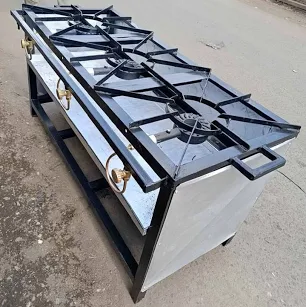
In a busy Kenyan hotel, restaurant or catering kitchen, the gas cooker never gets a rest. It starts early with tea and porridge, handles huge pots of stew, githeri and pilau by midday, and keeps going through dinner service. Under all that pressure, one part does most of the hard work: the burner. And when you shop for a heavy duty commercial gas cooker in Kenya, one of the first decisions you will face is the material the burners are made from, most often cast iron or stainless steel.
Both materials are widely used, and both have loyal fans among chefs and kitchen managers. But they behave very differently under heat, moisture, spills and daily cleaning. Choose well and your cooker could serve you reliably for years. Choose poorly and you may face cracked burners, rusted parts, uneven flames and costly downtime.
Why Burner Material Matters
A burner is more than a piece of metal that holds a flame. It has to cope with intense heat day after day, sudden temperature swings when liquids spill, heavy cookware, grease, food debris and frequent cleaning. The material affects:
- Durability and lifespan. How well the burner survives years of heavy use.
- Flame quality. How evenly and cleanly gas burns across the burner ports.
- Heat tolerance. Whether the burner can handle sustained high output without warping or cracking.
- Cleaning and hygiene. How easily you can keep the burner free of grease and carbon.
- Maintenance costs. How often parts need repair or replacement.
- Safety. A damaged burner can produce uneven flames, gas wastage or even leaks.
In other words, the right material protects your investment, your fuel budget and your staff.
Understanding Cast Iron Gas Burners
Cast iron burners are made by pouring molten iron into moulds and letting it harden into thick, solid pieces. They have a long history in commercial cooking and are still common on heavy-duty stockpot stands, boiling rings, wok burners and outdoor cooking equipment across Kenya.
Advantages of cast iron burners
- Exceptional strength and weight. Cast iron is thick and rigid. It stands up well to heavy pots, constant use and rough kitchen conditions, which makes it popular for large cauldrons and big sufuria.
- Excellent heat tolerance. Cast iron handles very high temperatures and sustained high-output flames without bending or warping easily, which suits high-pressure burners.
- Good heat retention. The material holds heat, which helps maintain a steady cooking environment around the burner.
- Stable and solid. The weight keeps burners firmly in place, reducing the risk of shifting under heavy pots.
- Often more affordable. In many cases, cast iron burners cost less than comparable stainless steel ones, though prices vary by brand and size.
- Easy to replace. Cast iron burners and parts are commonly available, which can make repair straightforward.
Disadvantages of cast iron burners
- Vulnerable to rust. Unless protected, cast iron rusts when exposed to moisture. Spilled liquids, steam and washing can lead to corrosion if the burner is not dried and maintained.
- Can crack from thermal shock. A very hot cast iron burner hit by cold water can crack because the metal cools unevenly. Boil-overs and careless cleaning are common causes.
- Heavy. The weight makes cookers harder to move, lift and install.
- Port clogging. Rust flakes, carbon and food residues can block gas ports, causing uneven flames if the burner is not cleaned regularly.
- Rougher finish. The surface can look dull and be harder to wipe down than smooth stainless steel.
Understanding Stainless Steel Gas Burners
Stainless steel burners are made from alloys that include chromium, which forms a protective layer that helps resist rust and corrosion. They are often formed from pressed or fabricated sheet and tube, and they are common on modern commercial ranges, hob units and hygiene-focused kitchens.
Advantages of stainless steel burners
- Corrosion resistance. Stainless steel resists rust far better than untreated cast iron, which is a big plus in kitchens with steam, spills and frequent washing.
- Easier to clean. The smooth surface wipes down easily and resists staining, supporting hygiene standards that hotels and food businesses expect.
- Lighter weight. Stainless burners and cooker bodies are easier to handle, install and relocate.
- Neat, professional look. The clean finish suits open kitchens, hotels and restaurants where appearance matters.
- Good for humid or coastal areas. In places like Mombasa, where salty, humid air speeds up corrosion, stainless steel often holds up well.
- Less risk of rust flakes in ports. Because there is less rust, ports are less likely to block from corrosion debris.
Disadvantages of stainless steel burners
- Usually costs more. Quality stainless steel burners and cookers generally cost more than basic cast iron equivalents.
- Can warp or discolour under extreme heat. Thin or low-grade stainless steel may bend or change colour when pushed hard for long periods.
- Less suited to the heaviest loads in cheap builds. Thin stainless parts may not match the sheer toughness of thick cast iron under extreme use.
- Quality varies widely. Not all stainless steel is equal. Low-grade material can still rust, stain or deform, so buying from a trusted supplier matters.
- Lower heat retention. Stainless steel does not hold heat like cast iron, which may or may not matter for your cooking style.
Cast Iron vs. Stainless Steel: Side-by-Side Comparison
| Factor | Cast Iron Burner | Stainless Steel Burner |
|---|---|---|
| Strength under heavy pots | Excellent | Good to very good, depends on thickness and design |
| High-heat performance | Excellent | Good, but depends on grade and construction |
| Rust and corrosion resistance | Weak without care | Strong |
| Cleaning | Needs more effort | Easier |
| Weight | Heavy | Lighter |
| Resistance to thermal shock | Can crack if cooled suddenly | Less prone to cracking |
| Typical cost | Often lower | Often higher |
| Appearance | Rugged, industrial | Clean, modern |
| Best for | Stockpots, cauldrons, outdoor and high-pressure cooking | Hygiene-focused kitchens, humid areas, front-of-house cooking |
The table shows that neither material wins on every count. Your kitchen, menu and maintenance habits should guide the decision.
Which Material Suits Which Kitchen?
Choose cast iron if:
- You cook in large volumes with big pots and cauldrons.
- You use high-pressure burners for boiling and heavy-duty batch cooking.
- You run an outdoor catering operation or a rugged kitchen where equipment takes a beating.
- You want strong, solid equipment at a lower purchase price and are willing to keep up with maintenance.
Choose stainless steel if:
- Hygiene and easy cleaning are top priorities, such as in hotels, hospitals and institutional kitchens.
- You operate in a humid or coastal area where corrosion is a constant problem.
- Your cooker is in view of customers and appearance matters.
- You prefer lighter equipment that is easier to install and move.
Consider a combination if: you run a larger kitchen. Many professional setups use stainless steel cooker bodies and surfaces with cast iron burner heads or grates, getting the strength of cast iron where it counts and the hygiene of stainless steel everywhere else.
What to Look for in a Heavy Duty Commercial Gas Cooker in Kenya
Whatever material you lean towards, the overall cooker design matters just as much as the burner itself. When comparing a heavy duty commercial gas cooker in Kenya, check these points:
- Burner output and number of burners. Make sure the heat output suits your biggest pots and busiest service. Two- and three-burner cookers suit small and medium kitchens, while larger kitchens often need four, six or more.
- Pressure type. Confirm whether the cooker uses high-pressure or low-pressure burners, and make sure you have the correct regulator and hose for it.
- Frame and body construction. A thick, sturdy frame resists bending under heavy pots. Look for strong welds, stable legs and quality stainless steel or heavy-gauge steel.
- Grates and pot supports. Heavy-duty cast iron or thick steel grates should hold large cauldrons securely without wobbling.
- Ignition and safety features. Reliable ignition, flame-failure protection where available, and well-fitted valves reduce wastage and risk.
- Ease of cleaning. Removable burners, accessible drip trays and smooth surfaces save time and protect hygiene.
- Spare parts availability. Burners, valves, knobs and igniters wear out, so pick a supplier who can supply replacements.
- Size and layout. Measure your space, allow clearance around the cooker, and plan for ventilation and extraction.
Maintenance: Making Either Material Last
Even the best burner will fail early without care. These habits help both types perform for years.
For cast iron burners
- Dry them thoroughly after cleaning, and never leave them wet.
- Avoid cold water on hot burners. Let them cool first to avoid cracks.
- Clean ports regularly with a stiff brush or pin to remove rust and carbon.
- Apply protection where recommended, such as a light coating of cooking oil on bare surfaces when the cooker will sit unused.
- Replace burners that are cracked or heavily corroded, since they can burn unevenly and waste gas.
For stainless steel burners
- Use non-abrasive cleaning tools so you do not scratch the surface.
- Avoid harsh chemicals that may damage the finish, and rinse thoroughly.
- Wipe up spills quickly, especially acidic or salty liquids that can stain.
- Watch for warping or discolouration, which can signal overheating or poor-quality material.
- Keep ports clear so flames burn evenly.
For both
- Check flame colour. A healthy flame is mostly blue. Yellow or orange flames suggest dirty ports or poor air mixing.
- Inspect hoses, regulators and connections for wear and leaks using soapy water, never a flame.
- Do not overload the burner with pots far beyond its rated capacity.
- Schedule regular servicing by a qualified technician.
- Ventilate the kitchen and keep flammable materials away from the cooker.
Safety Reminders
Burner material is only one part of a safe gas setup. Always use a regulator that matches the burner’s pressure rating, choose LPG-rated hoses, store cylinders upright in a well-ventilated and secure place, and train your staff to shut off the gas and ventilate the area if they smell a leak. Keep a fire extinguisher or fire blanket within reach, and check local requirements for LPG storage and fire safety.
Cost and Value: Think Beyond the Price Tag
It is tempting to choose purely on price, but a cheap cooker that cracks, rusts or consumes extra gas will cost more in the long run. When you compare options, think about:
- Total cost of ownership. Include fuel use, maintenance, repairs and the expected lifespan.
- Downtime costs. A cooker that fails during peak service costs you sales and reputation.
- Cleaning labour. Equipment that is easy to clean saves staff time.
- Resale or replacement value. Quality equipment lasts longer and holds its value better.
Prices differ by size, brand, burner count and build quality, so ask suppliers for current written quotations and compare like with like.
Common Mistakes to Avoid
- Assuming all stainless steel is the same. Grade and thickness make a huge difference.
- Neglecting cast iron maintenance. Rust and cracks are usually preventable.
- Ignoring the regulator type. A mismatch between burner and regulator is dangerous.
- Buying too small. An underpowered cooker slows service and wastes gas.
- Skipping ventilation. Heat and combustion gases need somewhere to go.
- Choosing a supplier with no after-sales support. Spare parts and advice matter when something goes wrong.
Cast iron and stainless steel burners each have real strengths. Cast iron offers raw toughness, heat tolerance and good value for heavy pots and demanding batch cooking, while stainless steel offers corrosion resistance, easy cleaning and a hygienic, professional finish. For many Kenyan kitchens, the smartest answer is a heavy duty commercial gas cooker that blends both, with robust cast iron where strength counts and stainless steel where cleanliness and longevity matter most.
Before buying, think about your menu, your volumes, your climate and your maintenance habits. Match the cooker to your real needs, and choose a supplier who will stand behind it.
Get Your Heavy Duty Commercial Gas Cooker in Kenya from Shine Kitchenware
Ready to find a heavy duty commercial gas cooker in Kenya that can handle the pace of your kitchen? Visit shinekitchenware.co.ke and explore commercial kitchen equipment for restaurants, hotels, caterers and institutional kitchens. When you deal with Shine Kitchenware, you can talk through your menu, pot sizes and kitchen layout, compare cast iron and stainless steel options, and ask about regulators, hoses, installation advice, current pricing, delivery and after-sales support before you buy. That kind of guidance helps you choose equipment that fits your business instead of guessing from a product listing.
 No products in the cart.