
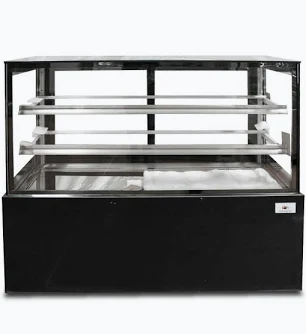
When you are fitting out a restaurant, hotel, bakery, butchery or catering kitchen in Kenya, you will quickly discover that you do not have to buy everything off the shelf. Local fabricators can build work tables, shelving, hoods, sinks, trolleys, cooking stands and counters to your exact measurements. That flexibility is a huge advantage, because every kitchen is different. But it also raises an important question: what should the equipment be made of?
Two materials dominate the conversation: food-grade stainless steel and mild steel. They can look similar when new, and the price gap tempts many first-time buyers to choose the cheaper option. Yet the difference between them affects hygiene, safety, durability, inspection results and your long-term costs.
Why Material Choice Matters in a Kitchen
A commercial kitchen is a harsh environment. Equipment faces heat, steam, water, grease, acidic foods, salt, cleaning chemicals and constant physical knocks. At the same time, anything that touches food or sits near it must be easy to clean and must not contaminate what you serve.
The material you choose affects:
- Food safety and hygiene. Smooth, non-porous, corrosion-resistant surfaces are easier to clean and keep safe.
- Durability. Equipment that rusts or warps needs repair or replacement much sooner.
- Compliance. Public health officers generally expect food contact surfaces to be smooth, durable and easy to clean.
- Cost over time. The cheapest purchase is rarely the cheapest to own.
- Appearance and reputation. Rusty, peeling equipment makes a bad impression on customers and inspectors.
What Is Food-Grade Stainless Steel?
Stainless steel is an alloy of iron with chromium and often nickel. The chromium forms a thin, invisible layer on the surface that protects the metal from rust and corrosion, and which can reform when scratched, provided oxygen is present. “Food-grade” refers to stainless steel grades that are suitable for contact with food because they are corrosion-resistant, non-porous and easy to sanitise.
Common stainless steel grades in kitchens
- Grade 304 (often called 18/8 or 18/10). The most widely used food-grade stainless steel. It resists corrosion well, cleans easily and suits most kitchen equipment such as work tables, sinks, shelves, hoods and cooking units.
- Grade 316. Contains molybdenum, which gives extra resistance to salt and harsh chemicals. It is often recommended for coastal environments (such as parts of Mombasa and the Kenyan coast), for very salty or acidic foods and for demanding conditions. It costs more than 304.
- Grade 430. A lower-cost stainless steel that contains less nickel. It resists corrosion reasonably well in dry, light-duty settings but is generally less resistant than 304, particularly in wet or harsh conditions.
The right grade depends on where the equipment will be used and how hard it will be worked, so it is worth discussing with your fabricator.
Advantages of food-grade stainless steel
- Excellent corrosion resistance. It stands up to water, steam and cleaning, which is vital in a wet kitchen.
- Hygienic surface. The smooth, non-porous finish does not absorb liquids or hide bacteria easily and is simple to wipe and sanitise.
- Long lifespan. Properly made stainless steel equipment can serve for many years with basic care.
- Heat resistance. It handles hot pots, steam and cooking environments without flaking or peeling.
- No coating to chip. Because the corrosion resistance is in the metal itself, there is no paint or coating to peel into food.
- Professional appearance. A clean, bright finish looks good and supports a quality image.
- Widely accepted. Stainless steel is the standard material for professional kitchens worldwide.
Disadvantages of stainless steel
- Higher upfront cost. Stainless steel costs more than mild steel, and fabrication can also cost more because it is harder to cut and weld well.
- Can scratch and show marks. Fingerprints, water spots and scratches can show on some finishes, though these are usually cosmetic.
- Quality varies. Not all metal sold as “stainless” is the same grade, so you need to buy from a trustworthy source.
- Needs proper care. Even stainless steel can stain or corrode if exposed to harsh chemicals like chlorine bleach for long periods or if cleaned with steel wool that leaves particles behind.
What Is Mild Steel?
Mild steel is a low-carbon steel that is strong, cheap and easy to cut, bend and weld. It is widely used in construction and general fabrication, and you will see it in gates, frames, trolleys and many workshop items across Kenya. However, mild steel has no built-in protection against rust. If it is exposed to moisture and oxygen, it corrodes. To slow this down, mild steel is usually painted, powder-coated, galvanised or otherwise coated.
Advantages of mild steel
- Low cost. Mild steel is considerably cheaper than stainless steel, which is the main reason people consider it.
- Easy to fabricate. It is simple to cut, shape and weld, so fabricators work with it quickly.
- Strong and sturdy. It can be very strong and suits heavy frames and structural parts.
- Widely available. Material and fabrication skills are easy to find.
Disadvantages of mild steel in a kitchen
- Rusts easily. In a steamy, wet kitchen, uncoated mild steel starts to rust quickly.
- Depends on coatings. Paint or powder coating can chip, scratch, bubble or peel, exposing bare metal that then rusts. Flakes of paint and rust can fall into food.
- Hard to keep hygienic. Damaged coatings and rough, rusty surfaces trap dirt, grease and bacteria and make thorough cleaning difficult.
- Not suited to food contact. Surfaces that touch food or are splashed with food should be smooth, durable, non-toxic and easy to clean, which untreated or poorly coated mild steel is not.
- Shorter lifespan in kitchens. Constant moisture and cleaning wear down coatings and shorten the life of the equipment.
- Higher long-term costs. Repainting, repairs and early replacement can erase the initial savings.
- Risk with inspections. Rust, peeling paint and damaged surfaces are the kind of issues that can attract criticism from public health officers.
Stainless Steel vs. Mild Steel: Side-by-Side Comparison
| Factor | Food-Grade Stainless Steel | Mild Steel |
|---|---|---|
| Corrosion resistance | Excellent | Poor without coating |
| Food contact suitability | Yes | Not suitable unless properly and durably protected, and generally avoided for food contact |
| Hygiene and cleaning | Smooth, easy to sanitise | Coatings can chip, hiding dirt and rust |
| Lifespan in a wet kitchen | Many years | Often much shorter |
| Upfront cost | Higher | Lower |
| Long-term cost | Usually lower | Often higher due to repairs and replacement |
| Heat and steam tolerance | Very good | Coatings can degrade |
| Appearance over time | Stays clean and bright | Can rust, stain or peel |
| Best uses | Work tables, sinks, shelves, hoods, cooking and prep equipment | Non-food, dry, structural or decorative parts, where appropriate |
Where Each Material Makes Sense
This is not a case of one material being good and the other bad. It is about choosing the right material for each job.
Use food-grade stainless steel for:
- Work tables and prep counters
- Sinks and wash stations
- Cooking equipment surfaces, cookers and fryer bodies
- Shelving, racks and trolleys in wet or food-handling areas
- Cooker hoods and extraction components
- Serving counters, bain-maries and food display units
- Cold rooms and refrigeration interiors
- Anything that touches food or is regularly washed
Mild steel may be acceptable for:
- Dry storage frames away from food and moisture
- Structural supports or hidden framework, if properly protected
- Non-food areas such as some outdoor or workshop uses
- Temporary or budget solutions where hygiene risk is low
Even in these cases, mild steel needs good protective coating and regular inspection. In a food kitchen, many owners find it simpler and safer to standardise on stainless steel.
How Material Affects Public Health Inspections
Public health officers generally want to see kitchens with surfaces that are smooth, non-absorbent, durable and easy to clean. Rusty tables, peeling paint, rough welds and damaged coatings are all red flags. While specific requirements can vary by county and type of business, stainless steel equipment helps you meet these general expectations. Confirm what applies to your premises with your county public health office, and keep in mind that a hygienic, well-built kitchen also protects your customers and your reputation.
The Cost Question: Cheap Now vs. Cheap Over Time
The biggest argument for mild steel is price. A mild steel table can cost noticeably less than a stainless steel one. But consider what happens next.
In a busy kitchen, coatings start to wear within months. Rust appears at the edges and joints. You repaint, repair or replace, and each repair takes equipment out of service. Meanwhile, a well-made stainless steel table keeps working, looks professional and needs little more than regular cleaning.
When you compare quotations, ask yourself:
- How long will this equipment last in my kitchen?
- What will it cost to repair, repaint or replace?
- What does downtime cost my business?
- Could rust or peeling paint put food safety or inspections at risk?
In most food businesses, the answer favours stainless steel over the lifetime of the equipment.
How to Tell Real Stainless Steel from Cheaper Imitations
Unfortunately, some products are sold as stainless steel but use lower-grade metal, or even coated mild steel that only looks like stainless. Protect yourself with these tips:
- Buy from a reputable supplier. Ask which grade of stainless steel is used (such as 304) and where the material comes from.
- Ask for documentation. Reliable suppliers can often provide material specifications or certificates on request.
- Do not rely on the magnet test alone. Some stainless steels are magnetic and some are not, and mild steel is magnetic too, so a magnet cannot tell you everything.
- Check for rust and staining. Poor-quality metal may show rust spots or discolouration soon after delivery or after washing.
- Inspect finish and welds. Good fabrication has smooth, even welds, clean edges and a consistent finish.
- Compare thickness. Thin sheet dents easily. Ask about the gauge or thickness used for tabletops, shelves and frames.
What to Look for in Custom Stainless Steel Kitchen Equipment in Kenya
One big advantage of local fabrication is that you can design equipment around your kitchen. To get the best results from custom stainless steel kitchen equipment in Kenya, keep these points in mind.
- Share precise measurements and a clear brief. Provide dimensions, layout sketches, equipment lists and workflow needs.
- Choose the right grade. Ask whether 304 or 316 suits your environment, especially in coastal or high-salt settings.
- Specify thickness. Heavier gauge steel for tabletops and shelves handles loads and impact better.
- Insist on hygienic design. Look for rounded corners, smooth welded seams, splashbacks, sloped surfaces where liquids need to drain and minimal gaps where dirt can collect.
- Plan for cleaning. Adjustable legs, open undershelves and removable parts make cleaning underneath and around equipment easier.
- Think about ergonomics. Make tables and counters the right height for your staff to reduce strain and improve speed.
- Include practical extras. Drawers, shelves, splashbacks, drainer boards, sink cutouts, backguards and cable or pipe access points.
- Check the finish. Choose a finish suited to your needs, such as a brushed finish that hides minor scratches.
- Agree timelines and installation. Confirm delivery, installation and any adjustments after fitting.
- Confirm after-sales support. Make sure you can get repairs, modifications or additions later.
Care and Maintenance: Making Stainless Steel Last
Stainless steel is tough, but it performs best with proper care.
- Clean daily with warm water and mild detergent, then rinse and dry to prevent water marks.
- Wipe in the direction of the grain if the surface is brushed, to avoid scratches.
- Avoid steel wool and harsh abrasives, which can scratch the surface and leave particles that rust.
- Rinse off chlorine-based cleaners and bleach promptly, because prolonged contact can damage the surface.
- Wipe up salty, acidic or spilled food residues quickly.
- Dry surfaces after washing to reduce water spots and staining.
- Inspect welds and joints regularly for damage, gaps or build-up.
- Fix dents, loose parts and failing fittings early before they become hygiene problems.
Common Mistakes to Avoid
When choosing materials and designing commercial kitchen equipment, certain mistakes can affect durability, hygiene, safety, and long-term performance. Whether purchasing ready-made units or investing in Custom Stainless Steel Kitchen Equipment Kenya, avoid the following common mistakes to ensure your kitchen meets operational and food safety requirements.
- Choosing mild steel to save money, then paying more later. Early rust and repairs eat the savings.
- Assuming all “stainless” is equal. Grade and thickness matter a great deal.
- Ignoring welds and finishing. Poor welds trap dirt and weaken the equipment.
- Forgetting the coastal factor. Salty air can speed up corrosion on lower-grade metal.
- Skipping a clear specification. Vague orders lead to misunderstandings and disappointing results.
- Buying without checking the supplier’s reputation. Ask for references, past work and after-sales support.
- Neglecting maintenance. Even the best material fails if it is abused or left dirty.
Food-grade stainless steel and mild steel each have their uses, but in a food kitchen the difference is clear. Stainless steel offers corrosion resistance, hygiene, long life and compliance-friendly surfaces that suit the demands of food businesses. Mild steel is cheaper at the start but struggles with moisture, coatings and cleanliness, which can cost you more in repairs, replacements and risk over time. For anything that touches food or lives in a wet, busy kitchen, stainless steel is usually the smarter investment, while mild steel is best kept to dry, non-food or structural uses.
Before you order, define your needs, choose the right grade and thickness, insist on hygienic design and buy from a supplier who can show you what they are delivering.
Get Custom Stainless Steel Kitchen Equipment in Kenya from Shine Kitchenware
Looking for custom stainless steel kitchen equipment in Kenya that is built for the demands of a professional kitchen? Visit shinekitchenware.co.ke and explore commercial kitchen solutions for restaurants, hotels, caterers, bakeries, butcheries and institutions. When you speak with Shine Kitchenware, you can discuss your kitchen layout and equipment needs, ask about stainless steel grades and thicknesses, and get guidance on tables, sinks, shelving, hoods and other equipment that fits your space and workflow. You can also ask about current pricing, delivery, installation and after-sales support, so you know exactly what you are getting.
 No products in the cart.