
Every food business owner in Kenya knows the moment: the public health officer walks in with a clipboard, looks around your kitchen, and starts checking boxes. Clean floors, protected food, safe water, proper waste disposal, and, almost always, the sinks. How many do you have? Are they the right type? Are they made from the right material? Can staff wash their hands and clean equipment without contaminating food?
Choosing the wrong sink setup can lead to failed inspections, delayed licences, expensive modifications or, worse, food safety problems that harm customers. Choosing the right one makes cleaning easier, protects your food and gives you a smoother path to approval.
Why Sinks Matter So Much to Public Health Officers
In a food business, sinks are not a convenience. They are a critical control point. Dirty hands, unwashed utensils, contaminated vegetables and poor cleaning practices are among the leading causes of foodborne illness. Sinks give your staff the means to break that chain by washing hands, cleaning produce, washing and sanitising dishes, and disposing of dirty water safely.
When inspectors assess a kitchen, they typically want to see that:
- Staff have a dedicated place to wash their hands, separate from food and dish sinks.
- Dishes and utensils can be washed, rinsed and sanitised properly.
- Raw food, such as meat, fish and vegetables, can be prepared without cross-contamination.
- Sinks are made of smooth, non-absorbent, easy-to-clean materials.
- Clean running water, ideally hot and cold, is available.
- Waste water drains away properly and does not pool, smell or attract pests.
Your sink setup directly affects every one of these points.
Why Stainless Steel Is the Standard Choice
Most commercial kitchens choose stainless steel for their sinks, and for good reason. Stainless steel:
- Is non-porous and smooth, so bacteria and food particles do not soak into the surface.
- Resists rust and corrosion, even with constant exposure to water, detergents and sanitisers.
- Is easy to clean and sanitise, which supports hygiene standards.
- Handles heat and hard use, including hot water and heavy pots.
- Lasts for years, making it good value for busy kitchens.
- Looks professional, which reassures customers and inspectors.
Materials such as unsealed concrete, tiled basins with cracked grout, plastic basins that stain and scratch, or rusted metal are harder to clean and are the kind of thing inspectors tend to flag. That is why commercial stainless steel kitchen sinks in Kenya are so widely recommended for restaurants, hotels, catering units, butcheries, schools and hospitals.
Single Bowl Sinks
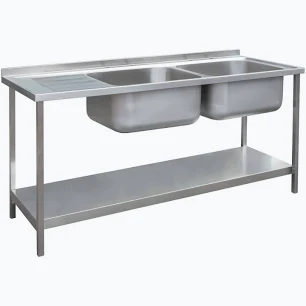
A single bowl sink has one deep compartment, usually with a drainer board on one or both sides.
Where single bowl sinks work well
- Small kiosks, snack counters and juice bars
- Tea and coffee stations
- A dedicated hand-washing basin (often a smaller, separate unit)
- A dedicated vegetable preparation sink in a larger kitchen
- Satellite stations such as bars, pantries and service areas
Advantages
- Compact and affordable
- Takes less space, which suits small premises
- Simple to install and maintain
- Useful as a dedicated sink for a single task
Limitations
- One bowl means you cannot wash and rinse separately at the same time.
- Using the same bowl for different tasks (washing dishes, then rinsing vegetables, then cleaning hands) risks cross-contamination.
- Rarely enough on its own for a full commercial kitchen that serves cooked meals.
A single bowl sink can work well as a supporting sink, but if it is the only sink in a kitchen that prepares and serves food, expect questions from an inspector.
Double Bowl Sinks
A double bowl sink has two compartments, side by side, usually with one or two drainer boards. This is one of the most popular options for restaurants and small to medium food businesses.
Where double bowl sinks work well
- Small to medium restaurants and cafes
- Takeaways and fast-food outlets
- Staff canteens and school kitchens
- Bakeries, juice and snack production
- Businesses with limited space that still need a separate wash and rinse step
How a double bowl sink is typically used
- First bowl: wash items in hot water with detergent.
- Second bowl: rinse the items, and where required, sanitise them using an approved sanitiser or very hot water, following the instructions and local guidance.
- Drainer board: air-dry items on a clean rack or drainer instead of wiping with dirty cloths.
Advantages
- Allows a basic wash and rinse routine
- Good balance of space, cost and function
- Supports better hygiene than a single bowl
- Suitable for many small food businesses seeking approval
Limitations
- If you need three steps (wash, rinse and sanitise as separate stages), a double bowl may require you to sanitise in a separate container or move to a triple bowl
- Cannot handle raw food preparation and dish washing at the same time without cross-contamination
- Still needs a separate hand-wash basin in most setups
Triple Bowl Sinks
A triple bowl (three-compartment) sink has three separate bowls, usually with drainer boards. It is the classic setup for professional dish washing and is widely recommended by food safety authorities around the world for kitchens that wash utensils manually.
Where triple bowl sinks work well
- Hotels and larger restaurants
- Catering businesses and central kitchens
- Hospital, school and institutional kitchens
- Food production units and butcheries with heavy cleaning needs
- Any kitchen without a commercial dishwasher
How a triple bowl sink is typically used
- First bowl: wash in hot, soapy water.
- Second bowl: rinse in clean water.
- Third bowl: sanitise using an approved chemical sanitiser or hot water, following the product instructions and contact times.
- Drainer board or rack: air-dry before storing.
Advantages
- Allows a complete wash, rinse and sanitise process in one station
- Supports strong hygiene and inspection readiness
- Handles large volumes of dishes, pots and utensils
- Can serve as a dedicated cleaning station for multiple staff
Limitations
- Needs more space and a higher budget
- Requires adequate water supply and drainage
- May be more than a very small business needs
Single vs. Double vs. Triple Bowl: Side-by-Side Comparison
| Factor | Single Bowl | Double Bowl | Triple Bowl |
|---|---|---|---|
| Typical use | Hand wash, veg prep, small stations | Wash and rinse in small to medium kitchens | Full wash, rinse, sanitise in busy kitchens |
| Space needed | Small | Medium | Large |
| Relative cost | Lowest | Moderate | Highest |
| Cross-contamination control | Limited | Better | Strongest |
| Dish washing capacity | Low | Medium | High |
| Inspector confidence | Depends on use | Good for small premises | Very good for larger operations |
| Best for | Kiosks, bars, supporting sinks | Cafes, small restaurants, takeaways | Hotels, caterers, institutions |
Beyond the Bowls: The Other Sinks Your Kitchen May Need
One of the most common mistakes is assuming that a single large sink setup covers everything. In practice, many inspectors look for separate sinks for separate jobs. Depending on your business, you may need:
- A dedicated hand-wash basin. Staff should wash hands at a basin used only for hands, with soap, clean water and hygienic drying. Washing hands in a dish sink is widely considered poor practice.
- A food preparation sink. This is used for washing vegetables, fruit and other food, kept separate from dish washing.
- A meat or fish preparation area or sink. Raw meat and fish call for dedicated cleaning space to avoid cross-contamination, especially in butcheries and restaurants handling raw proteins.
- A mop or cleaning sink. A separate place to wash mops and dispose of dirty cleaning water keeps chemicals and dirty water away from food areas.
The size of your business, your menu and your layout decide how many of these you need. A tiny kiosk may get by with fewer sinks, while a hotel kitchen will need several.
Key Features to Look for in Commercial Stainless Steel Kitchen Sinks in Kenya
Whether you choose one, two or three bowls, check these features to make sure your sink is built for commercial hygiene and durability.
- Good-quality stainless steel. Look for sturdy, food-grade stainless steel with a smooth, even finish. Thin or poorly made steel can dent, warp or rust.
- Appropriate thickness. Heavier-gauge steel handles heavy pots and daily knocks better.
- Seamless or well-welded construction. Smooth welds and rounded internal corners are easier to clean and leave fewer places for dirt and bacteria to hide.
- Deep bowls. Bowls should be deep enough to hold large pots and trays.
- Integrated drainer boards. These give you space to drain and air-dry items without placing them on dirty surfaces.
- Splashbacks. A raised back edge protects walls from water and food splashes and makes cleaning easier.
- Proper drainage points. Quality waste outlets, strainers and traps help water flow away and prevent blockages.
- Sturdy legs and frames. Adjustable legs help keep the sink level and stable, and raise it off the floor for easy cleaning underneath.
- Tap compatibility. Make sure the sink works with the taps, mixers or swan-neck faucets you need, preferably with hot and cold water.
- Right size for your space. Measure carefully so the sink fits your layout and leaves room to move safely.
Water, Drainage and Installation Considerations
A beautiful sink is only as good as the plumbing behind it. Before installing, think about:
- Water supply. Reliable running water is essential. If your supply is inconsistent, consider storage tanks and plan for a steady flow to the sinks.
- Hot water. Hot water improves cleaning and sanitising. Think about water heaters or other hot water sources.
- Drainage. Waste water must drain properly into an approved system. Poor drainage leads to smells, pests and failed inspections.
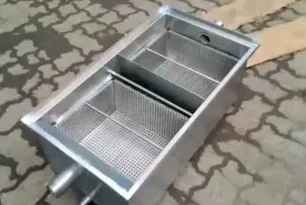
- Grease management. Kitchens that produce greasy waste often need grease traps to stop fats from blocking drains.
- Placement. Keep hand-wash basins easy to reach, and keep raw food sinks away from cooked food and ready-to-eat areas.
- Professional installation. A qualified plumber should install sinks and connect water and drainage correctly.
Daily Cleaning and Maintenance Tips
Even the best sinks fail inspections if they are dirty or poorly maintained. Build these habits into your routine:
- Clean and sanitise sinks at least daily, and after handling raw meat or fish.
- Use non-abrasive cloths and suitable cleaners so you do not scratch the stainless steel.
- Rinse away detergent and sanitiser residues thoroughly.
- Clear strainers and traps regularly to prevent blockages.
- Fix leaking taps and damaged fittings promptly.
- Wipe down splashbacks and the area under and around the sink.
- Never use sinks as storage space for dirty dishes, cloths or waste.
- Keep soap, paper towels or hand dryers stocked at hand-wash stations.
How to Choose the Right Sink Setup for Your Business
Use this simple approach:
- List what you cook and prepare. Raw meat, vegetables, cooked meals and baked goods all have different hygiene needs.
- Count your staff and your volume. More staff and more dishes call for more capacity.
- Check whether you have a dishwasher. Without one, a triple bowl sink or a double bowl with separate sanitising is usually wise.
- Measure your space. Match the sink to your layout, and leave room for separate hand-wash and prep sinks.
- Ask your county public health office. Confirm what they expect for your type of business before you buy.
- Plan your budget. Include the sink, taps, plumbing, drainage and installation.
- Think ahead. If you plan to expand your menu or open more branches, choose a setup that can grow with you.
A practical rule of thumb: a small kiosk or bar may start with a single bowl plus a hand-wash basin, a small to medium restaurant will often be well served by a double bowl plus a hand-wash basin and a prep sink, and a hotel or catering kitchen without a dishwasher will usually need a triple bowl, along with separate hand-wash, prep and cleaning sinks. Treat this as a starting point, not a legal rule.
Common Mistakes to Avoid
When shopping for Commercial Stainless Steel Kitchen Sinks Kenya, restaurant and hotel owners should consider more than just price and appearance. Avoid these common mistakes to ensure proper hygiene, durability and compliance with public health requirements.
- Using one sink for everything. Mixing hand washing, food prep and dish washing in one place invites contamination.
- Choosing cheap, thin steel. Poor-quality sinks dent, leak and rust, and may be rejected.
- Ignoring drainage. Standing water and blocked drains cause smells, pests and failed inspections.
- Skipping the hand-wash basin. This is one of the first things inspectors look for.
- Poor sizing. A sink that is too small slows work, while one that is too big wastes space.
- Forgetting about maintenance. Dirty or leaking sinks undo all the benefits of good equipment.
- Buying before checking requirements. Confirm local expectations first to avoid costly changes later.
Single, double and triple bowl sinks each have a place in a Kenyan food business. Single bowl sinks suit small stations and dedicated tasks, double bowl sinks give small and medium kitchens a practical wash-and-rinse setup, and triple bowl sinks provide the complete wash, rinse and sanitise process that larger and busier kitchens need. The best choice depends on your menu, your volume, your space and your county’s public health requirements, and in almost every case, quality stainless steel is the smart material to choose.
Get your sink setup right and you protect your customers, simplify daily cleaning and give yourself the best chance of a smooth approval.
Get Commercial Stainless Steel Kitchen Sinks in Kenya from Shine Kitchenware
Looking for commercial stainless steel kitchen sinks in Kenya that are built for busy kitchens and tough hygiene standards? Visit shinekitchenware.co.ke and explore commercial kitchen equipment for restaurants, hotels, caterers, schools and food businesses. When you speak with Shine Kitchenware, you can discuss your kitchen layout, menu and volumes, compare single, double and triple bowl options, and ask about sizes, drainer boards, splashbacks, current pricing, delivery and after-sales support. That helps you choose a setup that fits your business and your inspection needs instead of guessing.
 No products in the cart.