
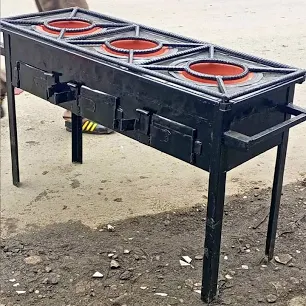
Walk into any busy Kenyan restaurant kitchen and you will hear it: the roar of flame under a large sufuria of stew, a wok of stir-fry, a pot of ugali or a cauldron of pilau. Gas is the fuel of choice for most commercial kitchens in Kenya, and the burner is the part that turns that fuel into heat. Yet many restaurant owners buy burners without really understanding the difference between the two main types: high-pressure and low-pressure. That difference affects how fast your food cooks, how much gas you use, how safe your kitchen is and how long your equipment lasts.
What Is a Commercial Gas Burner?
A commercial gas burner mixes fuel (usually LPG, or liquefied petroleum gas) with air and burns the mixture to produce a flame. In restaurants, burners are built into cookers, stockpot stands, woks, tandoor-style ovens, fryers, boiling tables and large cooking ranges. Unlike home hobs, commercial burners are designed for long hours of use, heavier pots, higher heat output and tougher conditions.
Burners differ in many ways, but one of the most important is the pressure at which gas reaches the burner. That pressure is set by the regulator that connects your gas cylinder to the burner, and it largely determines whether you are using a low-pressure or high-pressure system.
What Is a Low-Pressure Gas Burner?
A low-pressure burner runs on gas delivered at a gentle, fixed pressure, usually from a standard low-pressure regulator of the type many people know from household cookers. The gas flows out slowly, mixing with air drawn in naturally near the burner, and burns with a softer, quieter blue flame.
Typical features of low-pressure burners
- Quiet operation with a gentle flame
- Standard regulators and hoses are easy to find
- Common on commercial cookers, ranges, griddles, bain-maries and many fryers
- Lower heat output per burner compared with high-pressure types
- Better for controlled, even cooking at medium temperatures
Advantages of low-pressure burners
- Safer, more forgiving operation. The lower gas pressure means a gentler flame and a lower risk of flare-ups, which makes them easier for staff to use, especially in smaller or tightly packed kitchens.
- Finer control. Chefs can simmer sauces, hold stews at a gentle heat and cook delicate dishes without scorching.
- Quieter kitchens. Without the loud roar of high-pressure flames, the working environment is calmer.
- Simple equipment. Regulators, hoses and fittings are widely available, which makes replacement and servicing simpler.
- Suitable for most everyday dishes. For tea, sauces, stews, rice, frying and general à la carte cooking, low-pressure burners do the job well.
Disadvantages of low-pressure burners
- Slower heating. Bringing a large pot to the boil takes longer than with a high-pressure system.
- Limited power for big pots. Large cauldrons and heavy stockpots can struggle to reach and hold high temperatures.
- Less suited to wok-style cooking. Techniques that need intense, instant heat are harder to achieve.
- Can use more time and fuel for heavy tasks. If a burner is underpowered for the job, it runs longer to get the same result.
What Is a High-Pressure Gas Burner?
A high-pressure burner uses gas delivered at a higher, usually adjustable pressure through a special high-pressure regulator. The faster-moving gas draws in plenty of air and produces an intense, powerful flame, often with the characteristic roar. These burners are sometimes called jet burners, cast-iron burners or power burners, and you will find them on large stockpot stands, wok stations, boiling rings and outdoor cooking setups.
Typical features of high-pressure burners
- Intense, high-output flame
- Adjustable regulator that allows you to control flame power
- Often made from heavy cast iron or similar heat-resistant materials
- Commonly used for large pots, cauldrons, woks and outdoor catering
- Requires proper hoses, fittings and regulators rated for higher pressure
Advantages of high-pressure burners
- Very fast heating. Large volumes of water, stew or oil reach temperature much faster, which saves time during busy service.
- High output for big pots. Perfect for boiling githeri, pilau, ugali or soups in large cauldrons for events, hotels and institutional kitchens.
- Excellent for wok-style cooking. The intense heat suits stir-frying and quick searing.
- Great for outdoor and catering work. Many caterers and nyama choma operators use them for large-batch cooking in open areas.
- Potentially efficient for big jobs. Because heat is delivered quickly, large batches can finish sooner, which may reduce the time the burner needs to run.
Disadvantages of high-pressure burners
- Higher safety demands. High-pressure gas needs correctly rated regulators, hoses and connections. Poor-quality or mismatched parts raise the risk of leaks and accidents.
- Can use gas quickly. A powerful burner running at full flame can empty a cylinder faster if staff do not manage the flame sensibly.
- Noisier and hotter. The roaring flame and heat output demand good ventilation and space.
- Less suited to delicate cooking. Simmering and low-heat tasks need a lower setting, and some high-pressure burners do not turn down as finely as low-pressure ones.
- Needs trained staff. Operating a powerful burner safely requires awareness and discipline.
High-Pressure vs. Low-Pressure: Side-by-Side Comparison
| Factor | Low-Pressure Burner | High-Pressure Burner |
|---|---|---|
| Heat output | Moderate | High to very high |
| Heating speed | Slower | Much faster |
| Flame control | Fine, gentle control | Powerful, adjustable, but coarser at low settings |
| Best for | Cookers, ranges, griddles, simmering, general cooking | Large pots, cauldrons, woks, outdoor and event catering |
| Regulator | Standard low-pressure type | Adjustable high-pressure type |
| Noise | Quiet | Loud |
| Safety considerations | More forgiving, still needs leak checks | Needs correctly rated parts, ventilation and trained users |
| Typical users | Cafés, small restaurants, fast-food kitchens | Hotels, caterers, institutions, big restaurants, street food at scale |
Neither type is better in every situation. The right choice depends on what you cook and how much of it you cook at once.
Which Dishes Suit Which Burner?
Think about your menu first, because that decides which burner earns its place.
Low-pressure burners are ideal for:
- Tea, coffee and milk-based drinks
- Sauces, curries and gravies that need steady simmering
- Rice, pasta and vegetable dishes
- Pan-frying and griddle cooking
- Everyday restaurant and café service
High-pressure burners are ideal for:
- Large pots of githeri, pilau, biryani, beans, ugali and soups
- Boiling or steaming in big volumes
- Wok stir-frying and quick searing
- Outdoor catering at weddings, funerals, school events and festivals
- Heating big quantities of oil or water quickly
Many Kenyan restaurants use both. A busy hotel kitchen, for example, might run a bank of low-pressure burners for à la carte dishes and a high-pressure stockpot burner for the big batch dishes.
Safety: The Part You Cannot Skip
Whichever burner you choose, gas safety must come first. A gas leak or poorly maintained connection can cause fires and serious injuries, and a kitchen accident can end a business overnight. Follow these principles:
- Match the regulator to the burner. High-pressure burners need high-pressure regulators; low-pressure burners need low-pressure regulators. Never mix them or improvise.
- Use quality hoses and fittings. Choose hoses rated for LPG and for the pressure you use. Replace any that are cracked, stiff, kinked or older than the manufacturer recommends, and use proper clamps.
- Check for leaks regularly. Brush soapy water on joints and connections and watch for bubbles. Never use a naked flame to check for leaks.
- Store cylinders safely. Keep cylinders upright, outdoors or in a well-ventilated, secure area, away from heat sources and out of direct sun. Avoid keeping them in sleeping areas or cramped kitchens.
- Ventilate the kitchen. Good airflow or extraction prevents gas build-up and carbon monoxide risk, especially with high-output burners.
- Keep flammable items clear. Cloths, paper, packaging and cooking oil should be kept away from open flames.
- Know your emergency steps. Train staff to close the cylinder valve, ventilate the area, avoid switching electrical devices on or off and evacuate if they smell gas.
- Keep a fire extinguisher or fire blanket close. Ensure staff know how to use it.
Also check the relevant local requirements for LPG storage, installation and fire safety, and consider having a qualified technician inspect your system from time to time.
Cost Considerations
When you compare commercial gas burners for sale in Kenya, price depends on size, material, brand, burner type and included accessories. Heavy cast-iron high-pressure burners and complete stands generally cost more than simple low-pressure units, while built-in commercial ranges with several burners cost more again. Prices change frequently, so ask suppliers for current quotations rather than relying on old listings.
Be careful not to look at the burner price alone. Include:
- Regulator and hose: high-pressure systems may need more robust, correctly rated parts.
- Stand or cooker body: a burner is only useful with a stable, safe frame.
- Installation costs: pipework, cylinder housing and ventilation.
- Running costs: gas consumption over months and years often outweighs the purchase price.
- Maintenance and spare parts: nozzles, jets, ignition parts and valves wear over time.
A slightly pricier burner from a reliable supplier, with quality parts and proper support, usually works out cheaper than a bargain unit that leaks, clogs or fails.
Gas Consumption: Getting the Most from Every Cylinder
Fuel is a major monthly expense for any restaurant. These habits help you cut gas use whichever burner you choose:
- Match pot size to burner size. Small pots on huge flames waste gas, while big pots on weak burners run forever.
- Use lids. Covering pots speeds heating and reduces gas use.
- Control the flame. Once food is at temperature, turn the flame down. High flame does not cook faster once boiling has started.
- Keep burners clean. Clogged ports cause uneven flames and wasted gas. Clean them regularly according to the manufacturer’s instructions.
- Prepare ahead. Do not light burners until ingredients and pots are ready.
- Check flame colour. A healthy flame is mostly blue. Yellow or orange flames often signal poor air mixing or dirty burners and should be investigated.
- Train your staff. Wasteful habits add up fast in a busy kitchen.
How to Choose the Right Burner for Your Restaurant
Use this simple process to decide:
- List your menu. Which dishes need gentle heat, and which need powerful, fast heat?
- Estimate your batch sizes. Are you cooking single portions or hundreds of servings?
- Measure your space. High-pressure burners need room, clearance and ventilation.
- Consider your staff. Do you have people trained to handle high-output equipment safely?
- Think about location. Indoor restaurants usually favour low-pressure, controlled setups, while outdoor catering and open-air kitchens suit high-pressure burners well.
- Set your budget. Include regulators, hoses, stands and installation in the total.
- Choose a supplier who offers support. You want advice, spare parts and help if something goes wrong.
For a small café or fast-food kitchen, low-pressure burners are usually the practical choice. For a hotel, caterer or large restaurant with heavy batch cooking, a combination of both often delivers the best performance and flexibility.
Common Mistakes Kenyan Restaurants Make
When searching for Commercial Gas Burners for Sale in Kenya, many restaurant owners make avoidable mistakes that affect cooking efficiency, operating costs and kitchen safety. Here are some common mistakes to watch out for before making a purchase:
- Buying a burner without checking the regulator type. This is one of the most dangerous errors.
- Choosing the most powerful burner for every job. More power is not always better and may waste gas.
- Ignoring ventilation. Gas combustion needs fresh air and a way to remove heat and fumes.
- Using old or damaged hoses. Many accidents begin with a worn connection.
- Skipping maintenance. Clogged burners and loose fittings cost more in the long run.
- Buying from unreliable sellers. Without service or spare parts, small problems become expensive replacements.
High-pressure and low-pressure burners each have a clear place in a Kenyan restaurant. Low-pressure burners offer control, quietness and simplicity for everyday cooking, while high-pressure burners deliver the speed and raw power needed for large pots, woks and catering. The best choice depends on your menu, cooking volumes, available space and your team.
If you are looking for Commercial Gas Burners for Sale in Kenya, take time to plan before buying, compare quotations that include all necessary accessories, and prioritise safety and after-sales support over the lowest price. Ensure the burner, regulator, hose and kitchen layout are properly matched for safe and reliable operation.
Find Commercial Gas Burners for Sale in Kenya at Shine Kitchenware
Looking for commercial gas burners for sale in Kenya that suit your restaurant, hotel or catering business? Visit shinekitchenware.co.ke to explore commercial kitchen equipment and get help choosing the right burner for your kitchen. When you deal with Shine Kitchenware, you can discuss your menu, batch sizes and kitchen layout, and ask about high-pressure and low-pressure options, regulators, hoses, stands and installation advice before you buy. You can also ask about current pricing, delivery and after-sales support, so you know exactly what you are getting.
 No products in the cart.